
 EN
EN
 AR
AR
 FR
FR
 PT
PT
 RU
RU
 ES
ES
 BG
BG
 HR
HR
 DA
DA
 NL
NL
 FI
FI
 DE
DE
 EL
EL
 IT
IT
 JA
JA
 KO
KO
 NO
NO
 PL
PL
 RO
RO
 SV
SV
 TL
TL
 ID
ID
 LV
LV
 UK
UK
 VI
VI
 SQ
SQ
 TH
TH
 TR
TR
 AF
AF
 MS
MS
 CY
CY
 IS
IS
 HY
HY
 AZ
AZ
 KA
KA
 MN
MN
 MY
MY
 KK
KK
 UZ
UZ
 SR
SR
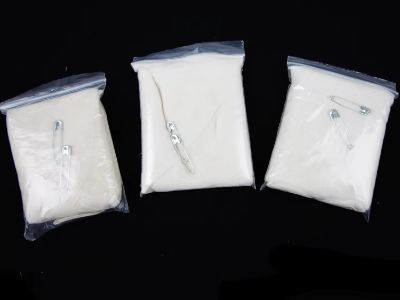
Gauze swabs are essential medical supplies utilized in various healthcare settings for wound care, surgical procedures, and patient hygiene. As a professional in the medical supply industry, selecting a reliable wholesale gauze swab manufacturer is crucial for ensuring quality, consistent supply, and meeting your specific application needs. This article will explore how to choose the right supplier, the importance of quality control, common purchasing challenges, cost considerations, and the diverse applications of gauze swabs, helping you make informed decisions.
Choosing the Right Wholesale Gauze Swab Supplier for Your Needs
When selecting a wholesale gauze swab supplier, consider factors such as manufacturing experience, product quality, and customer service. A reputable manufacturer, like Taizhou Wanghong Hygienic Material Factory, with over 10 years of experience in producing medical products, can often provide insights into industry standards and best practices.
Key selection criteria include:
Product Specifications: Understand the types of plain gauze swab offered. Options can include different sizes, materials (cotton, rayon, etc.), and absorbency levels.
Customization Capabilities: If your facility has specific needs, inquire about the supplier’s ability to customize products, whether through sizing, packaging, or material selection.
Certifications: Look for suppliers with relevant certifications, such as ISO or CE, which can indicate a commitment to quality and compliance with international standards.
Production Capacity: Ensure the manufacturer can meet your order volumes consistently and timely, particularly if you anticipate fluctuating demand.
By evaluating these factors, you can identify a supplier capable of meeting your operational requirements while ensuring product reliability.
Understanding the Quality Control Process for Gauze Swabs
Quality control is a critical aspect of gauze swab manufacturing. It involves several stages that ensure the final product meets established standards for safety, performance, and usability.
Raw Material Inspection: Quality begins with the selection of raw materials. Suppliers should conduct thorough assessments of the materials used, ensuring they are free from contaminants and meet specified standards.
In-Process Monitoring: During production, regular inspections should take place to verify that manufacturing processes adhere to set protocols. This includes checking for accurate dimensions, proper absorbency, and the absence of defects.
Final Product Testing: Before packing and shipping, finished gauze swab should undergo rigorous testing. This may involve evaluating absorbency, sterility (if applicable), and overall integrity.
Documentation and Traceability: A reliable supplier will maintain detailed records of the quality control processes, allowing for traceability and accountability in case of any quality issues.
Understanding this process can help you ask the right questions when evaluating potential suppliers, ensuring that the gauze swabs you receive will perform reliably in your applications.
Common Problems When Purchasing Gauze Swabs and Their Solutions
Purchasing gauze swabs can present several challenges, but being aware of these issues can help you mitigate risks effectively.
Inconsistent Quality: One common problem is receiving products that do not meet the expected quality standards. To avoid this, always request samples before placing a bulk order. Test these samples to ensure they meet your performance criteria.
Long Lead Times: Delays in delivery can disrupt your supply chain. To address this, communicate your expected lead times clearly and confirm the manufacturer’s ability to meet them. Establishing a good relationship with your supplier can also facilitate better communication and responsiveness.
Minimum Order Quantities (MOQ): Some suppliers may have high MOQs that don’t align with your needs. Before committing, discuss your requirements and negotiate terms that are mutually beneficial. A flexible supplier may allow smaller initial orders with options for larger subsequent purchases.
By being proactive and establishing clear communication with your supplier, you can navigate these common challenges more effectively.
Cost Factors to Consider When Buying Gauze Swabs Wholesale
Cost is a significant factor when purchasing gauze swabs, and several elements can influence pricing.
Material Costs: The choice of materials greatly affects the price. For instance, cotton gauze may vary in cost depending on its weave and absorbency levels. Ensure you understand the material specifications to balance quality with cost.
Customization: Custom features, such as specific sizes or packaging, can lead to higher costs. While customization can provide significant advantages, assess whether these features are necessary for your application.
Order Volume: Generally, larger orders can reduce the per-unit cost due to economies of scale. However, ensure that your inventory management practices can accommodate bulk purchases without leading to wastage.
Shipping and Handling: Don’t overlook shipping costs, especially for international orders. Discuss shipping options with your supplier to find the best solution that balances cost and delivery time.
By evaluating these cost factors, you can develop a budget that aligns with your operational needs while ensuring you receive a quality product.
Applications of Gauze Swabs in Various Medical Settings
Gauze swabs have versatile applications across multiple medical environments, making them indispensable in healthcare. Here are some common uses:
Wound Care: Gauze swabs are frequently employed in dressing wounds, providing absorbency for exudate while allowing the site to breathe. They are essential for both acute and chronic wounds.
Surgical Procedures: In operating rooms, gauze swabs are utilized to absorb blood and other fluids during surgeries. Their ability to be sterile and highly absorbent makes them vital for maintaining a clean surgical environment.
Patient Hygiene: Gauze swabs are often used for cleaning and caring for patients, particularly in settings like nursing homes or long-term care facilities, where gentle and effective cleaning is necessary.
Diagnostic Procedures: In laboratories, gauze swabs can be used to collect samples, making them a critical tool for diagnostics.
Understanding these applications allows you to select the appropriate type of sterile gauze swabs for your specific needs, ensuring optimal performance in all medical settings. By taking the time to evaluate suppliers, understand the quality control processes, and recognize potential purchasing challenges, you can ensure a steady supply of high-quality gauze swabs that meet the demands of your healthcare environment.
Table of Contents
- Choosing the Right Wholesale Gauze Swab Supplier for Your Needs
- Understanding the Quality Control Process for Gauze Swabs
- Common Problems When Purchasing Gauze Swabs and Their Solutions
- Cost Factors to Consider When Buying Gauze Swabs Wholesale
- Applications of Gauze Swabs in Various Medical Settings