
 EN
EN
 AR
AR
 FR
FR
 PT
PT
 RU
RU
 ES
ES
 BG
BG
 HR
HR
 DA
DA
 NL
NL
 FI
FI
 DE
DE
 EL
EL
 IT
IT
 JA
JA
 KO
KO
 NO
NO
 PL
PL
 RO
RO
 SV
SV
 TL
TL
 ID
ID
 LV
LV
 UK
UK
 VI
VI
 SQ
SQ
 TH
TH
 TR
TR
 AF
AF
 MS
MS
 CY
CY
 IS
IS
 HY
HY
 AZ
AZ
 KA
KA
 MN
MN
 MY
MY
 KK
KK
 UZ
UZ
 SR
SR
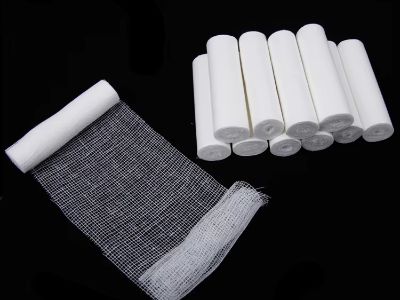
When it comes to sourcing medical supplies, bulk purchase gauze bandages are essential for medical facilities and pharmacies. These versatile products are vital for wound care, offering both absorbency and protection. For purchasing managers and healthcare providers, understanding the specifications, quality, and cost factors involved in bulk purchases is crucial. This article aims to provide insights into selecting the right gauze bandages, addressing common issues, and evaluating different options to ensure you make informed decisions for your facility.
Choosing the Right Bulk Purchase Gauze Bandage for Your Facility
Selecting the appropriate gauze bandage involves several key considerations. First, buyers should assess the specific application needs. For example, primary and secondary dressing requirements differ. Primary dressings must be absorbent and non-adherent, while secondary dressings usually offer additional support and protection. Next, consider the material. gauze bandage are typically made from cotton, rayon, or a blend of both. Cotton offers superior absorbency and comfort, while rayon can provide enhanced strength and reduced linting. The choice of material directly impacts the bandage's performance in various medical scenarios, such as surgical procedures or routine wound care. Moreover, the bandage's dimensions and thickness are pivotal. A gauze bandage that is too thin may not absorb adequately, while one that is excessively thick can be cumbersome for patients. Buyers should also evaluate whether the bandages are pre-cut or come in rolls, as this can affect usage efficiency.
Understanding the Cost Factors for Wholesale Gauze Bandage Purchases
When considering bulk purchase gauze bandages, various cost factors come into play. The unit price can vary based on the material, size, and manufacturer. However, it is essential to look beyond the apparent cost per unit. Volume discounts are often available for larger orders, which can significantly reduce the overall expenditure. Additionally, consider the total cost of ownership, including shipping, storage and potential wastage due to expiration. Understanding the minimum order quantity (MOQ) is also critical, as it may influence your purchasing decision. Furthermore, quality certifications and compliance with health regulations can affect pricing. Products that meet stringent quality standards may have higher upfront costs but can lead to better patient outcomes and fewer complications, ultimately proving more cost-effective over time.
Common Installation Issues with Gauze Bandages and Their Solutions
While gauze bandages are relatively straightforward to use, some common issues may arise during application. One frequent problem is improper placement, which can cause the bandage to shift, leading to inadequate protection or discomfort for the patient. To mitigate this, healthcare professionals should ensure that the bandage adheres well to the skin without excessive tension. Another issue is the potential for the bandage to stick to the wound, especially with thicker gauze materials. This can cause pain during removal and may disrupt the healing process. Using a non-adherent primary dressing or applying a thin layer of ointment can alleviate this issue. Finally, moisture can compromise the effectiveness of gauze and bandages. If the bandage becomes saturated, it should be changed promptly to prevent infection. Training staff on proper gauze management and conducting regular checks can ensure that bandages provide the intended protection.
Applications of Gauze Bandages in Medical Facilities and Pharmacies
Gauze bandages have a wide range of applications in medical facilities and pharmacies. In hospitals, they are primarily used for wound care, including surgical wounds, lacerations, and abrasions. The absorbent nature of gauze makes it suitable for managing exudate from wounds, ensuring a sterile environment conducive to healing. In outpatient settings, gauze bandages are often utilized for dressing changes and minor injury care. Pharmacies also stock gauze bandages for consumers seeking to manage minor injuries at home. Additionally, bandage and gauze can be used in various specialty applications, such as burn care or orthopedic settings, where specific sizes and types may be required. Understanding the application needs helps buyers select the right type of gauze bandage, ensuring optimal performance across different scenarios. This includes assessing whether the bandage is intended for light or heavy exudate, as well as the need for compatibility with other dressings.
Comparing Different Types of Gauze Bandages for Your Purchasing Needs
When evaluating different types of gauze bandages, buyers should consider several factors to ensure they meet their needs effectively. First, look at the weave type; gauze can be either plain or crimped. Plain weave provides a smooth finish, ideal for gentle applications, while crimped gauze offers increased absorbency and flexibility. Next, assess the gauze's weight, which is often measured in grams per square meter (GSM). Higher GSM values typically indicate thicker, more absorbent materials, which may be necessary for certain medical applications. Additionally, consider the bandage's packaging. Bulk purchases may come in boxes or rolls, and proper packaging methods can influence storage a nd ease of use in a fast-paced medical environment.
Finally, customization options are worth exploring, as some suppliers may offer tailored sizes or packaging solutions to meet specific facility requirements. Establishing clear communication with suppliers about your needs can ensure you receive the most suitable products for your application. By understanding these factors, purchasing managers can make informed decisions when sourcing bulk purchase gauze bandages, ensuring they select products that align with their facility's needs and budget constraints.
Table of Contents
- Choosing the Right Bulk Purchase Gauze Bandage for Your Facility
- Understanding the Cost Factors for Wholesale Gauze Bandage Purchases
- Common Installation Issues with Gauze Bandages and Their Solutions
- Applications of Gauze Bandages in Medical Facilities and Pharmacies
- Comparing Different Types of Gauze Bandages for Your Purchasing Needs