
 EN
EN
 AR
AR
 FR
FR
 PT
PT
 RU
RU
 ES
ES
 BG
BG
 HR
HR
 DA
DA
 NL
NL
 FI
FI
 DE
DE
 EL
EL
 IT
IT
 JA
JA
 KO
KO
 NO
NO
 PL
PL
 RO
RO
 SV
SV
 TL
TL
 ID
ID
 LV
LV
 UK
UK
 VI
VI
 SQ
SQ
 TH
TH
 TR
TR
 AF
AF
 MS
MS
 CY
CY
 IS
IS
 HY
HY
 AZ
AZ
 KA
KA
 MN
MN
 MY
MY
 KK
KK
 UZ
UZ
 SR
SR
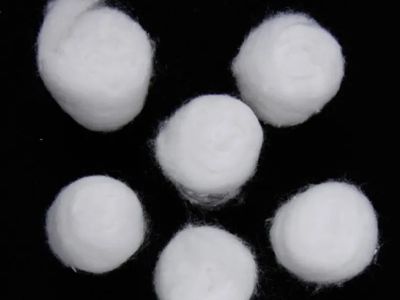
Sterile cotton bandages are essential medical supplies that play a crucial role in wound care, ensuring that injuries are protected from infections. For B2B buyers, particularly purchasing managers and healthcare distributors, understanding the sterilization levels of these bandages is vital. This article will provide insights into the key specifications, sourcing reliable suppliers, cost-effective options, and various types of sterile cotton bandages, helping you make informed purchasing decisions.
Key Specifications to Consider for Sterile Cotton Bandages
When selecting sterile cotton bandages, several specifications are crucial to ensure their effectiveness and safety. First, material quality is paramount. Look for bandages made from high-grade cotton that is hypoallergenic and free from contaminants. This reduces the risk of allergic reactions and ensures that the bandage is safe for all skin types. Sterilization methods also need to be considered. Common methods include ethylene oxide and gamma radiation, each offering different levels of sterility and shelf life. Understanding the sterilization level is essential, as it impacts the bandage's applicability in various medical settings. Size and dimensions are other critical factors. sterile cotton balls come in various sizes, and selecting the correct width and length is necessary for proper wound coverage. This not only aids in wound healing but also ensures patient comfort. Lastly, consider the packaging of the bandages. Individually packaged options reduce the risk of contamination and are easier to store and handle in medical environments.
Where to Source Reliable Suppliers for Cotton Bandages?
Sourcing reliable suppliers for sterile cotton bandages involves several steps. Start by identifying manufacturers with a solid reputation in the medical supplies industry, such as Taizhou Wanghong Hygienic Material Factory, which has over 10 years of experience in producing high-quality medical products.
Utilize online platforms like industry directories and trade shows to discover potential suppliers. Look for those who provide clear information on their manufacturing processes, certification and customer testimonials. When evaluating suppliers, consider their quality control processes. It's important to ensure that they adhere to international standards, such as ISO certifications, which indicate a commitment to quality and consistency. Additionally, inquire about their production capacity and lead times to ensure they can meet your demands. Lastly, consider sample requests. Obtaining product samples allows you to assess material quality and verify specifications before making larger orders.
Cost-Effective Sterile Cotton Bandages
Cost-effectiveness in sterile cotton bandages can be achieved through strategic purchasing decisions. Start by assessing your minimum order quantities (MOQs). Suppliers often offer better pricing for bulk orders, which can significantly reduce costs per unit. Consider negotiating pricing based on long-term contracts or repeat orders. Suppliers may be willing to provide discounts, especially if they value a stable relationship with your business. Another factor to consider is the packaging and shipping costs. Opting for suppliers that offer consolidated shipping or local distribution can help minimize additional expenses. Lastly, do not overlook the importance of product lifecycle costs. While cheaper options may seem appealing initially, consider the total cost of ownership, including potential returns or issues arising from subpar quality. Investing in reliable, high-quality sterile cotton buds might save costs associated with product failures in the long run.
Understanding the Sterilization Levels of Cotton Bandages
Sterilization levels of cotton bandages are critical in determining their usability in medical settings. The most common sterilization methods include:
Ethylene Oxide (EtO) Sterilization: This method is effective for heat-sensitive materials and ensures a high level of sterility. However, it often requires a longer processing time and specific storage conditions due to residual gas.
Gamma Radiation: This method involves exposing sterile cotton roll to gamma rays, effectively killing bacteria and viruses. It typically offers a longer shelf life and is suitable for bulk sterilization.
Steam Sterilization: Used primarily for products that can withstand high heat, this method is efficient but not suitable for all cotton bandages due to potential damage to the material.
Understanding these sterilization methods helps buyers determine which bandages meet their specific needs. Always confirm the sterilization process with suppliers, as improper sterilization can lead to product recalls or increased infection rates.
Comparing Different Types of Sterile Cotton Bandages
When comparing different types of sterile cotton bandages, several factors come into play, including design, thickness, and absorbency.
Design: Some bandages are designed for specific applications, such as surgical dressings or everyday wound care. Determine which design aligns with your needs to ensure optimal performance.
Thickness: The thickness of the bandage impacts its absorbency and comfort. Thicker bandages may absorb more exudate but can be bulkier, while thinner options may be more comfortable for the patient.
Absorbency: Different bandages have varying levels of absorbency depending on their material composition. For wounds with significant drainage, select bandages that can effectively manage exudate without compromising the wound environment.
Additionally, consider product variations such as adhesive or non-adhesive options, as well as those with added features like antibacterial properties. Each option serves different application needs, and understanding these will enhance patient care and product efficacy.
In summary, understanding the specifications, sourcing reliable suppliers, exploring cost-effective options, and comparing types of sterile cotton bandages will empower your purchasing decisions. Always prioritize quality and suitability to ensure the best outcomes for your medical applications.