
 EN
EN
 AR
AR
 FR
FR
 PT
PT
 RU
RU
 ES
ES
 BG
BG
 HR
HR
 DA
DA
 NL
NL
 FI
FI
 DE
DE
 EL
EL
 IT
IT
 JA
JA
 KO
KO
 NO
NO
 PL
PL
 RO
RO
 SV
SV
 TL
TL
 ID
ID
 LV
LV
 UK
UK
 VI
VI
 SQ
SQ
 TH
TH
 TR
TR
 AF
AF
 MS
MS
 CY
CY
 IS
IS
 HY
HY
 AZ
AZ
 KA
KA
 MN
MN
 MY
MY
 KK
KK
 UZ
UZ
 SR
SR
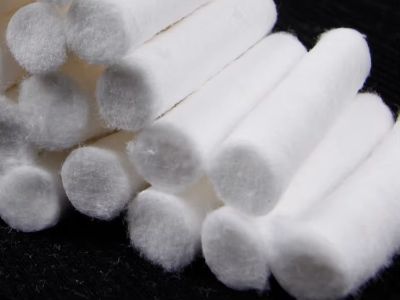
When selecting cotton rolls for medical and hygienic applications, an absorption test is crucial to ensure you're choosing qualified products that meet your specific needs. By understanding the key factors in selecting cotton rolls, including their absorption capabilities, material composition, and sourcing methods, you can make informed purchasing decisions that align with your operational requirements. This article will provide essential insights into choosing quality cotton rolls, sourcing reliable suppliers, understanding cost factors, comparing materials, and a handy buyer’s checklist.
How to Choose Quality Cotton Rolls for Your Wholesale Needs?
When choosing quality cotton rolls, consider the specific application and performance requirements. The absorption capacity is a critical factor, as it determines how effectively the cotton roll can manage fluids. Cotton rolls with high absorption rates are essential in medical settings, where they might be used for wound care or other hygienic applications.
Moreover, evaluate the cotton's material characteristics. High-quality cotton roll should be made from 100% cotton or a cotton-polyester blend, as these materials provide excellent absorbency and comfort. Ensure that the rolls are free from contaminants and have undergone rigorous quality control processes. It’s also advisable to request samples before placing a large order, enabling you to assess the product's quality and suitability for your application firsthand.
Where to Source Reliable Cotton Roll Suppliers for Bulk Orders?
Finding reliable suppliers is crucial for maintaining a consistent supply of quality cotton rolls. Start by researching manufacturers with a proven track record in producing medical products. Look for suppliers who have experience in exporting to your region, as this often indicates their capability to meet international standards.
Networking at industry trade shows or engaging with professional groups can also help identify reputable suppliers. Online marketplaces and directories can serve as a starting point, but always medical cotton roll thorough due diligence. Check for customer reviews, certifications, and quality control practices. Establish a direct line of communication with potential suppliers to discuss your specific needs and gauge their responsiveness and willingness to collaborate.
Understanding the Cost Factors of High-Quality Cotton Rolls
The costs associated with purchasing cotton rolls can vary widely based on several factors. Key among these is the raw material used. High-quality cotton rolls that are 100% cotton will generally have a higher price point than those made from blended materials.
Volume discounts can significantly affect pricing, so consider your order size. Suppliers often have minimum order quantities (MOQs) that can influence overall costs. Additionally, factor in shipping and import duties, especially when sourcing from international suppliers. Engaging in direct negotiations with suppliers can yield better pricing structures, especially for bulk orders. Understanding these cost factors will help you budget appropriately and potentially secure better deals.
Comparing Different Cotton Roll Materials for Optimal Performance
When evaluating cotton roll materials, the most common options are 100% cotton, cotton-polyester blends, and synthetic alternatives. Each material offers distinct advantages.
100% cotton rolls are preferred for their high absorbency and comfort, making them ideal for medical applications. Cotton-polyester blends, on the other hand, enhance durability and can offer improved resistance to tearing, which is advantageous in high-use situations. Synthetic options may be more cost-effective and are designed for specific applications, but they may not provide the same level of absorbency or comfort.
Always consider the specific requirements of your application, such as moisture management and patient comfort, when selecting the material. Performing absorption tests on different materials can provide valuable insights into their performance, helping you make a more informed decision.
A Buyer’s Checklist
When preparing to purchase cotton rolls, use the following checklist to ensure you cover all essential aspects:
Product Specifications: Confirm dimensions, weight, and absorption capacity.
Material Composition: Ensure the material meets your application needs (100% cotton, blend, etc.).
Sample Approval: Request samples to evaluate performance and compatibility with your needs.
Supplier Verification: Check the supplier's credentials, experience, and customer feedback.
Quality Control Processes: Understand the supplier's quality assurance practices to ensure consistency.
Customization Capabilities: Inquire if the supplier can accommodate custom specifications or special packaging.
MOQ and Pricing: Confirm minimum order quantities and discuss pricing for bulk orders.
Lead Time: Establish expected delivery timelines to synchronize with your inventory needs.
Packaging and Shipping: Ensure the packaging is suitable for transport and storage conditions.
Compliance: Verify that products meet relevant industry standards and regulations.
By following this checklist, you can streamline the purchasing process and ensure that the cotton roll bandage you select are well-suited for your wholesale needs.