
 EN
EN
 AR
AR
 FR
FR
 PT
PT
 RU
RU
 ES
ES
 BG
BG
 HR
HR
 DA
DA
 NL
NL
 FI
FI
 DE
DE
 EL
EL
 IT
IT
 JA
JA
 KO
KO
 NO
NO
 PL
PL
 RO
RO
 SV
SV
 TL
TL
 ID
ID
 LV
LV
 UK
UK
 VI
VI
 SQ
SQ
 TH
TH
 TR
TR
 AF
AF
 MS
MS
 CY
CY
 IS
IS
 HY
HY
 AZ
AZ
 KA
KA
 MN
MN
 MY
MY
 KK
KK
 UZ
UZ
 SR
SR
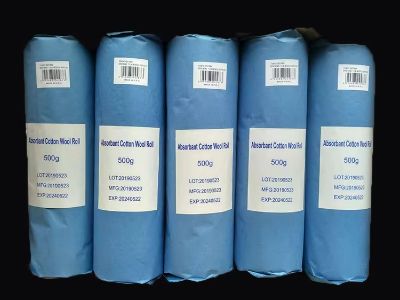
Medical cotton balls are essential products widely used in healthcare settings for various applications, including wound care, testing, and sanitization. However, ensuring high-quality identification methods for medical cotton balls is crucial for buyers who aim to maintain safety and efficacy in their operations. This article will address the primary concerns of purchasing managers and other professional buyers, offering practical insights into the selection and evaluation of medical cotton balls.
Key Factors for Buyers
When sourcing medical cotton balls, buyers should consider several critical factors to ensure they meet their operational requirements. The first consideration is the material used in production. Medical cotton balls are typically made from 100% cotton, which provides superior absorbency and minimizes the risk of irritation for patients. Another key factor is the manufacturing process. Buyers should look for suppliers like Taizhou Wanghong Hygienic Material Factory, which boasts over ten years of experience in producing medical products. A reliable manufacturer should have robust quality control processes in place, including inspections at various stages of production. Additionally, certifications such as ISO or CE can indicate compliance with international safety and quality standards, providing further assurance to buyers. It's also crucial to evaluate the packaging methods, as proper packaging ensures product integrity during transportation and storage.
Comparing Specifications of Medical Cotton Balls for Bulk Orders
When comparing specifications for bulk orders of medical cotton balls, several key attributes should be analyzed. These include the size, weight, and absorbency of the cotton balls. For instance, cotton balls come in various sizes ranging from small (approximately 1 inch) to large (up to 2 inches in diameter), and the choice depends on the intended application. Absorbency is another vital specification, as it directly affects the performance of the cotton balls in medical settings. Buyers should request detailed product specifications, including the absorbency rate, which indicates how much liquid the cotton balls can absorb relative to their weight. Furthermore, the tensile strength of cotton fibers is essential to ensure that the sterile cotton balls maintain their integrity when wet. Buyers should ask for samples to evaluate these specifications first-hand before making a bulk purchase decision.
Cost Considerations When Purchasing Medical Cotton Balls
The cost of medical cotton balls can vary significantly based on several factors, such as material quality, manufacturing processes, and order volume. Buyers should be aware that while lower-priced options might seem attractive, they may compromise on quality, leading to higher costs in the long run due to product failures or increased waste. Volume discounts are common in B2B transactions, so it's advisable to discuss minimum order quantities (MOQs) with potential suppliers. Understanding the total cost of ownership, including shipping and handling fees, is crucial for budgeting purposes. Additionally, buyers should consider the lead time for delivery, especially if the products are needed urgently. It's also worth noting that some manufacturers offer customization options, which may affect the cost. Customization might include different sizes, packaging types, or branding requirements. Buyers should evaluate whether these options align with their operational needs and budget constraints.
Common Problems with Medical Cotton Balls and Effective Solutions
Despite their essential role in medical applications, several common issues can arise with medical cotton balls. One frequent problem is contamination, which can occur during production or packaging. To mitigate this risk, buyers should ensure that their suppliers follow stringent hygiene and quality control measures. Another issue is the inconsistency in size and absorbency among different batches. This inconsistency can impact treatment effectiveness and patient safety. Buyers should request quality assurance documentation and consider establishing a relationship with a manufacturer that offers consistent product quality, such as Taizhou Wanghong Hygienic Material Factory. Lastly, the packaging of medical cotton balls can sometimes lead to damage during transportation. Buyers should verify that their suppliers utilize durable packaging materials and techniques that protect the products from moisture and physical damage.
Guidelines for Proper Installation of Medical Cotton Balls in Facilities
Proper handling and installation of medical cotton balls in healthcare facilities are essential for maintaining hygiene and efficacy. Buyers should ensure that their staff is trained in the correct procedures for storing and using cotton balls. These guidelines include keeping cotton balls in a clean, dry environment and ensuring they are only removed from their packaging when needed. When using cotton ball for wound care, it’s crucial to employ aseptic techniques. This means using sterile gloves and ensuring that the area where the cotton balls are applied is clean and prepared. Additionally, buyers should consider the use of dispensers for cotton balls to minimize contamination risks and improve accessibility for healthcare staff. Lastly, regular audits of inventory and usage patterns can help maintain optimal stock levels and ensure that expired or contaminated products are removed promptly. By following these guidelines, healthcare facilities can enhance patient safety and treatment effectiveness while ensuring compliance with regulatory standards.