
 EN
EN
 AR
AR
 FR
FR
 PT
PT
 RU
RU
 ES
ES
 BG
BG
 HR
HR
 DA
DA
 NL
NL
 FI
FI
 DE
DE
 EL
EL
 IT
IT
 JA
JA
 KO
KO
 NO
NO
 PL
PL
 RO
RO
 SV
SV
 TL
TL
 ID
ID
 LV
LV
 UK
UK
 VI
VI
 SQ
SQ
 TH
TH
 TR
TR
 AF
AF
 MS
MS
 CY
CY
 IS
IS
 HY
HY
 AZ
AZ
 KA
KA
 MN
MN
 MY
MY
 KK
KK
 UZ
UZ
 SR
SR
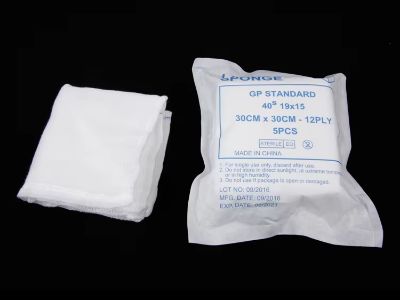
Surgical lap sponges are essential medical supplies used primarily in surgical procedures to absorb blood and other fluids. The selection standards for surgical use are crucial for ensuring patient safety and the effectiveness of surgical interventions. B2B buyers, including purchasing managers, hospitals, and surgical centers, often have concerns about product quality, compliance with medical standards, and the reliability of suppliers. This article will provide valuable insights into lap sponge selection standards, helping buyers make informed purchasing decisions.
Finding Reliable Suppliers for Lap Sponges
When sourcing lap sponges, it’s vital to identify suppliers that adhere to stringent quality standards. Start by assessing the supplier's manufacturing capabilities, including their experience in producing medical-grade products. A reliable supplier should have a proven track record, such as Taizhou Wanghong Hygienic Material Factory, which has over 10 years of experience in the medical products industry. Buyers should verify that suppliers have the necessary certifications, such as ISO 13485, which indicates compliance with international quality management standards for medical devices. Additionally, inquire about their quality control processes, including material sourcing, production techniques, and final product testing. This due diligence is essential to ensure the reliability and safety of the lap sponge being procured. Moreover, consider the supplier’s export capabilities and experience in serving diverse international markets. A supplier with extensive global reach is more likely to understand varying regulatory requirements and can better navigate international shipping and customs processes.
Understanding Pricing for Surgical Lap Sponge Bulk Purchases
Pricing for surgical lap sponges can vary significantly based on several factors, including material type, manufacturing processes, and order volume. Generally, bulk purchases lead to cost savings, but buyers must also evaluate the overall value, not just the unit price. Materials used in lap sponges, such as cotton or non-woven fabrics, can influence pricing. For instance, sponges made from high-quality, absorbent cotton may command higher prices due to their enhanced performance in surgical settings. Buyers should assess the specifications required for their applications, as these will affect both the product's effectiveness and its cost. When requesting quotes, provide detailed information such as desired quantities, packaging requirements, and any specific certifications needed. This will help suppliers give accurate pricing. Additionally, consider the total cost of ownership, including shipping and handling fees, to ensure comprehensive budgeting.
Where to Use Lap Sponges Effectively?
Lap sponges are primarily used in surgical settings, but they also find applications in other medical environments. Understanding where to use them effectively is critical for achieving optimal performance. In surgical operations, lap sponges are utilized to absorb excess fluids, maintain a clear surgical field, and protect organs from damage. They are particularly effective in abdominal surgeries, where fluid management is crucial. Furthermore, lap sponges can also serve as protective barriers during procedures, helping to prevent contamination. Outside of surgical theaters, sponge lap can be used in emergency medical situations, such as trauma care, where rapid fluid absorption is necessary. Their versatility makes them an invaluable asset across various healthcare settings, from operating rooms to emergency response units.
Best Practices for Using Surgical Lap Sponges
To maximize the effectiveness and safety of lap sponges during surgical procedures, adhering to best practices is essential. One critical practice is ensuring that all sponges are accounted for before and after surgery to prevent retained surgical items, which can lead to serious complications. Before use, inspect each sponge for defects, such as tears or foreign materials. Proper sterilization is also vital; all sponges should be sterilized according to protocol before entering an operating room. Healthcare professionals should be trained on the best techniques for placing and removing sponges to minimize the risk of contamination. Additionally, it is advisable to use a surgical gauze swabs counting method. This could involve using a sponge counter, which helps in tracking the number of sponges in use and ensures that all are accounted for at the end of the procedure.
What Buyers Need to Know?
When purchasing surgical lap sponges, there are several critical factors buyers need to consider to ensure they make informed decisions. First, understand the specific requirements of the intended application. This includes the size, absorbency, and material specifications of the sponges. Buyers should also inquire about minimum order quantities (MOQ) as this can impact purchasing decisions, especially for smaller healthcare facilities. Additionally, understanding the lead times for production and shipping is crucial for planning inventory levels and ensuring availability when needed.
It’s also beneficial to request samples for evaluation before placing large orders. Testing the sponges under actual operating conditions can provide valuable insights into their performance and suitability for specific surgical procedures. Lastly, maintain an open line of communication with suppliers regarding any customization needs, such as specific dimensions or packaging preferences, which can enhance usability and efficiency in surgical settings. By following these guidelines, buyers can navigate the complexities of lap sponge selection standards and ensure they are choosing the most appropriate products for their surgical and medical needs.