
 EN
 AR
 FR
 PT
 RU
 ES
 BG
 HR
 DA
 NL
 FI
 DE
 EL
 IT
 JA
 KO
 NO
 PL
 RO
 SV
 TL
 ID
 LV
 UK
 VI
 SQ
 TH
 TR
 AF
 MS
 CY
 IS
 HY
 AZ
 KA
 MN
 MY
 KK
 UZ
 SR
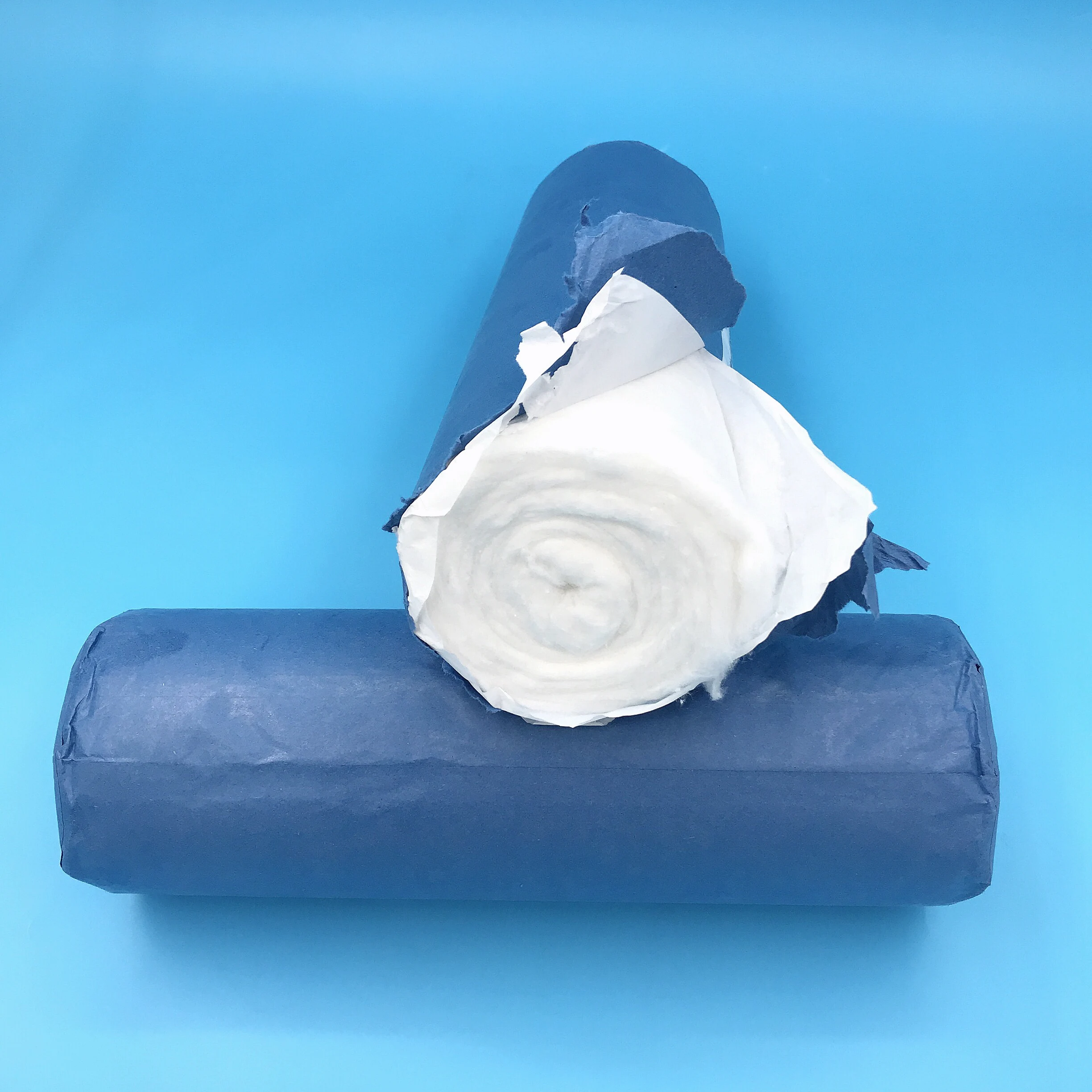
Cotton rolls are essential medical products widely used in various healthcare applications, including dental procedures, wound care, and surgical settings. For B2B buyers, understanding the nuances of sourcing cotton roll wholesale—including the types available, such as sterile and soft variants—is crucial to ensuring quality and compliance with industry standards. This article will address key buyer concerns such as specifications, material assessment, and effective installation, helping you make informed purchasing decisions of bandage roll.
Choosing the Right Cotton Roll Wholesale Supplier for Your Needs
Selecting a cotton roll wholesale supplier involves assessing several factors to ensure they meet your operational needs. Start by evaluating the supplier’s experience and reputation in the industry. A supplier like Taizhou Wanghong Hygienic Material Factory, with over 10 years of experience in producing medical products, can be a reliable choice.
Next, inquire about their certifications and compliance with industry standards, which are crucial for ensuring product safety and quality. Additionally, consider their production capacity and lead times, especially if you're looking to place large orders. Understanding the minimum order quantities (MOQ) and whether they offer customization options can also help align their offerings with your specific requirements.
Lastly, assessing the quality control processes the supplier employs can give you confidence in their products. A thorough quality assurance program ensures that each batch of cotton rolls meets the necessary specifications and is free of defects, reducing risks in your operations.
Key Specifications to Consider When Sourcing Cotton Rolls
When sourcing cotton rolls, several key specifications should be evaluated:
Material Composition: Cotton rolls are typically made from 100% cotton or a blend. Pure cotton rolls tend to be softer and more absorbent, making them ideal for sensitive applications like dental work.
Size and Dimensions: Standard sizes include 1-inch or 2-inch diameter rolls, but custom sizes may be requested based on your application needs. Dimensions impact not only the absorption capacity but also the ease of use in specific procedures.
Sterility: For medical applications, sterile cotton rolls are essential. Be sure to confirm the sterilization method used, such as ethylene oxide or gamma radiation, as this affects both safety and shelf life.
Packaging: The packaging method can influence the usability of the rolls. Individually wrapped rolls may provide better hygiene and ease of use in clinical settings.
By carefully considering these specifications, you can ensure that the Gauze Roll you procure are suitable for your operational needs.
How to Assess Cotton Roll Materials?
Assessing the materials used in cotton rolls is vital for determining their suitability for your intended applications. High-quality cotton rolls should be made from 100% natural cotton fibers, which provide superior absorbency and comfort. This is particularly important in medical and dental settings where patient comfort and infection control are paramount.
When evaluating materials, consider the following:
Absorbency: Higher absorbency rates are critical for effective blood and fluid management during procedures. Cotton rolls with a tighter weave may offer better absorbency.
Softness: For applications involving direct contact with patients, the softness of the material is crucial. Rougher materials could cause discomfort or irritation.
Chemical Compatibility: If the rolls will be used in environments with specific chemical exposure, ensure that the materials used are compatible to prevent degradation or adverse reactions.
By focusing on these aspects, you can ensure that the cotton rolls selected are not only effective but also safe for use in your operations.
How to Install Cotton Rolls Effectively in Your Operations?
Proper installation of cotton rolls is essential to maximize their effectiveness in clinical applications. Here are some practical steps to ensure correct usage:
Preparation: Before using cotton rolls, ensure that the work area is clean and that you have the necessary tools ready. This may include gloves, forceps, or other instruments depending on the application.
Placement: When placing cotton rolls, ensure they are positioned securely to absorb fluids effectively. In dental applications, for example, cotton rolls should be placed in the buccal vestibule to manage saliva and maintain a dry working area.
Monitoring: During procedures, regularly check the cotton rolls for saturation. Over-saturation can lead to ineffective fluid management and may require replacement.
Disposal: After use, follow proper disposal protocols to maintain hygiene and prevent contamination. Used cotton rolls should be disposed of in accordance with medical waste regulations.
By following these steps, you can enhance the efficiency and effectiveness of cotton rolls in your operations.
Comparing Sterile vs. Non-Sterile Cotton Rolls for Wholesale Buyers
When purchasing cotton rolls, understanding the difference between sterile and non-sterile options is crucial for compliance and patient safety.
Sterile Cotton Rolls: These rolls are treated to eliminate all microorganisms, making them suitable for use in surgical and other invasive procedures. These Cotton Roll are typically packaged in a manner that maintains sterility until opened. For any medical environment where infection control is a priority, sterile cotton rolls are essential.
Non-Sterile Cotton Rolls: These rolls are not treated for sterilization and are generally used in non-invasive applications. They may be suitable for tasks like cleaning or as padding in less critical situations. However, in environments where patient safety is a concern, it is advisable to use sterile options.
When sourcing cotton rolls, consider the specific applications and regulatory requirements of your industry. Ensuring that you select the appropriate type can significantly affect patient outcomes and compliance with health regulations.
Understanding the nuances of sourcing cotton rolls wholesale—such as supplier evaluation, key specifications, material assessment, installation practices, and the distinction between sterile and non-sterile options—will empower B2B buyers to make informed decisions. This knowledge not only enhances operational efficiency but also ensures compliance and safety in healthcare settings.