
 EN
 AR
 FR
 PT
 RU
 ES
 BG
 HR
 DA
 NL
 FI
 DE
 EL
 IT
 JA
 KO
 NO
 PL
 RO
 SV
 TL
 ID
 LV
 UK
 VI
 SQ
 TH
 TR
 AF
 MS
 CY
 IS
 HY
 AZ
 KA
 MN
 MY
 KK
 UZ
 SR
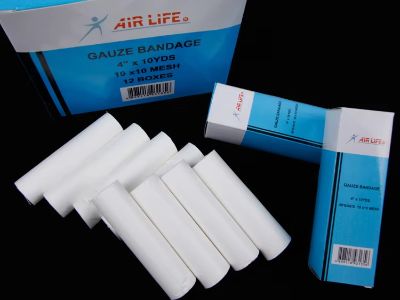
Choosing the right gauze bandages for institutional purchasing is crucial for healthcare facilities. These products play a vital role in patient care, wound management, and infection control. This article will explore the key criteria for evaluating gauze bandages, addressing the main concerns of purchasing managers and distributors, including quality, material advantages, supplier reliability and installation guidance. By the end, you'll have a clearer understanding of how to make informed decisions when sourcing gauze bandages.
Key Criteria for Choosing Quality Gauze Bandages for Institutions
When evaluating gauze bandages for institutional purchasing, several key criteria should be prioritized:
Material Composition: Gauze bandages are typically made from cotton or polyester. Cotton is breathable and gentle on the skin, making it ideal for sensitive patients. Polyester, on the other hand, offers higher durability and can be more cost-effective. Understanding the advantages of each material can help in selecting the right product for specific applications.
Absorbency: The absorbency of gauze bandages is crucial for effective wound care. A higher absorbency rate is essential for managing exudate from wounds to prevent maceration and promote healing. Buyers should request absorbency standards from suppliers to ensure they meet their specific needs.
Weave Type: The weave of the gauze can affect its strength and flexibility. A tighter weave may offer better support and prevent fraying, while a looser weave allows for increased airflow. Buyers should consider the intended use when evaluating weave types.
Sterility: Ensuring that gauze bandages are sterile is critical in healthcare settings. Buyers should verify that the products meet industry standards for sterility and have appropriate packaging to maintain sterility until use.
Certifications: Look for gauze bandage that comply with relevant healthcare regulations and standards, such as ISO certifications or CE marking. This helps ensure that the products are safe and effective for medical use.
Understanding Material Advantages in Gauze Bandages for Buyers
The materials used in gauze bandages greatly influence their performance and suitability for various applications.
Cotton Gauze: Known for its softness and comfort, cotton gauze is hypoallergenic and ideal for sensitive skin. It is highly absorbent, making it suitable for wounds with significant exudate. However, it may not provide the same level of durability as synthetic options.
Polyester Gauze: While less absorbent than cotton, polyester gauze is more resistant to tearing and fraying, making it a good choice for high-movement areas or long-term dressings. It is also typically less expensive and may be suitable for non-critical applications.
Combination Gauze: Some gauze bandage tape combine cotton and synthetic fibers to leverage the advantages of both materials. These hybrid bandages may offer enhanced comfort, durability, and absorbency.
Understanding the properties of these materials can help buyers select the best option for their specific requirements, whether for surgical, emergency, or daily wound care.
What Wholesale Buyers Should Know About Gauze Bandage Quality?
When purchasing gauze bandages wholesale, quality assurance is paramount. Here are key factors to consider:
Quality Control Processes: Assess the manufacturer's quality control measures. A reputable supplier should have a robust quality assurance program that includes regular testing of raw materials, in-process inspections, and final product evaluations.
Sample Approval: Before placing a bulk order, request samples of the gauze bandages to evaluate their performance. This includes checking for absorbency, softness, and overall construction quality. It’s advisable to test samples under actual usage conditions to ensure they meet facility standards.
Production Capabilities: Understanding the manufacturer's production capabilities can also provide insights into their ability to meet demand. Inquire about their production capacity and lead times, especially for large orders or custom specifications.
Customization Options: Some manufacturers offer customization in terms of size, packaging, and branding. This can be beneficial for institutions looking to maintain consistent branding or specific product requirements.
Feedback from Previous Purchases: If possible, seek feedback from other institutions that have purchased products from the supplier. This real-world insight can highlight potential issues and help identify trustworthy manufacturers.
Key Considerations for Sourcing Reliable Gauze Bandage Suppliers
Sourcing reliable suppliers for gauze bandages involves evaluating several critical aspects:
Industry Experience: Look for suppliers with a proven track record in the medical supply industry. For example, Taizhou Wanghong Hygienic Material Factory has over 10 years of experience in producing medical products, which can provide confidence in their expertise and reliability.
Global Reach: Suppliers that serve a diverse range of markets often have a better understanding of international standards and regulations, which can be crucial for compliance in different regions.
Customer Service: Strong customer support is vital for addressing any issues that arise during the purchasing process. A supplier that values communication and can provide timely responses to inquiries will enhance the overall buying experience.
Transparency: Ensure that the supplier is transparent about their manufacturing processes and sourcing of materials. This can build trust and ensure that you are receiving high-quality products.
Post-Purchase Support: Consider suppliers that offer support after the sale, including assistance with product usage and troubleshooting any issues that arise during implementation.
Installation Guidance for Efficient Use of Gauze Bandages in Facilities
Efficient use of gauze bandages in healthcare facilities requires proper installation and application techniques. Here are some guidelines:
Preparation of the Wound Site: Before applying a gauze bandage, ensure the wound site is clean and dry. This helps prevent infection and promotes healing.
Application Technique: When applying the gauze, avoid stretching it excessively, as this can lead to discomfort and impede circulation. Instead secure the bandage snugly but not tightly, allowing for some movement.
Layering: In cases of heavy exudate, layering multiple pieces of gauze can enhance absorbency. Ensure that each layer is adequately secured to prevent shifting.
Monitoring and Changing: Regularly monitor the wound for signs of infection or inadequate healing. Change the gauze as needed, especially if it becomes saturated with exudate.
Training Staff: Ensure that all staff members are trained in the proper techniques for applying and changing gauze bandage roll. This training can improve patient outcomes and reduce complications.
By following these guidelines, institutions can maximize the effectiveness of their gauze bandage applications, ensuring better patient care and resource management.
Table of Contents
- Key Criteria for Choosing Quality Gauze Bandages for Institutions
- Understanding Material Advantages in Gauze Bandages for Buyers
- What Wholesale Buyers Should Know About Gauze Bandage Quality?
- Key Considerations for Sourcing Reliable Gauze Bandage Suppliers
- Installation Guidance for Efficient Use of Gauze Bandages in Facilities