
 EN
 AR
 FR
 PT
 RU
 ES
 BG
 HR
 DA
 NL
 FI
 DE
 EL
 IT
 JA
 KO
 NO
 PL
 RO
 SV
 TL
 ID
 LV
 UK
 VI
 SQ
 TH
 TR
 AF
 MS
 CY
 IS
 HY
 AZ
 KA
 MN
 MY
 KK
 UZ
 SR
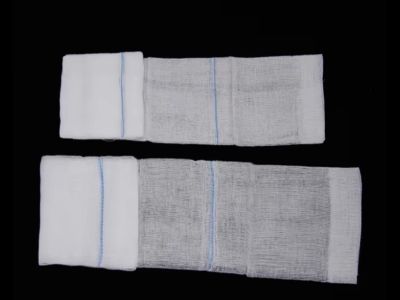
Medical grade gauze swabs are essential tools in healthcare settings, used for a variety of medical applications, including wound care and surgical procedures. This complete procurement guide for medical grade gauze swab will address key buyer concerns such as material selection, quality specifications, cost factors, and installation guidance. By understanding these aspects, purchasing managers and healthcare professionals can make informed decisions that meet their specific needs and ensure optimal patient care.
Choosing the Right Medical Grade Gauze Swabs for Your Needs
Selecting the right medical grade gauze swabs depends largely on the specific application and environment in which they will be used. Buyers should first assess the intended use whether for wound dressing, surgical procedures, or other healthcare applications. This will determine the necessary absorbency, size, and thickness of the swabs.
For example, swabs used in surgical settings may require a higher absorbency to manage larger volumes of fluids, while those intended for wound care may need to be softer and less irritating to the skin. Moreover, V swabs come in various sizes and layers, allowing for customization based on the specific medical procedure. Understanding these requirements ensures that the selected gauze swabs not only perform effectively but also adhere to industry standards and patient safety guidelines.
Specifications to Consider When Purchasing Gauze Swabs in Bulk
When purchasing medical grade gauze swabs in bulk, several specifications are critical to ensure that the products meet quality and performance standards. Key specifications include:
Material Composition: Most gauze swabs are made from 100% cotton or a blend of cotton and synthetic fibers. Cotton swabs are highly absorbent and gentle on the skin, making them ideal for sensitive applications. Synthetic blends may offer enhanced durability and fluid resistance.
Dimensions: Gauze swabs come in various sizes (e. g., 2x2 inches, 4x4 inches). The dimensions should be selected based on the type of wound or application. Larger swabs may be necessary for more extensive areas.
Layer Count: The number of layers affects absorbency and strength. Single-layer swabs are suitable for light absorbency needs, while multi-layer options provide more support for heavier applications.
Sterilization: Ensure that the gauze swabs are sterilized and comply with relevant medical standards. Sterile swabs are essential for preventing infections during medical procedures.
Evaluating these specifications will help buyers secure the right product for their needs, ultimately improving patient care and operational efficiency.
Cost Factors to Assess When Buying Medical Grade Gauze Swabs
Cost is a significant factor in procurement decisions. Buyers should consider the following aspects when evaluating pricing for medical grade gauze swabs:
Material Quality: Higher quality materials typically result in a higher price but may offer better performance and lower defect rates. It's crucial to balance cost with quality to ensure that the gauze swabs meet medical standards.
Volume Discounts: Purchasing in bulk can lead to substantial cost savings. Suppliers often offer discounts based on order volume, so it’s beneficial to communicate expected usage to negotiate better pricing.
Shipping and Handling Fees: These costs can vary based on the supplier's location and the shipping method chosen. Buyers should account for these additional expenses when determining the overall cost of sterile gauze swabs.
Lead Time: Suppliers who can deliver quickly may charge a premium for expedited shipping. Understanding the lead time required for production and delivery can help buyers make more informed procurement decisions.
By carefully assessing these cost factors, buyers can achieve a balance between quality and affordability, ensuring that they receive the best value for their investment.
Installation Guidance for Medical Grade Gauze Swabs in Use
While gauze swabs are generally straightforward to use, proper installation and application are crucial for achieving desired outcomes in medical settings. Here are some guidelines for effectively utilizing gauze swabs:
Preparation: Before applying gauze swabs, ensure that the area is clean and sterile. Use appropriate antiseptic solutions to minimize the risk of infection.
Application: Depending on the type of procedure, gauze swabs can be applied directly to the wound or used as part of a dressing. For surgical applications, ensure swabs are placed in a way that promotes optimal healing and absorption of any fluids.
Securing Gauze: Use medical tape or a secondary dressing to secure the gauze swabs in place. This prevents movement and maintains contact with the wound.
Monitoring: Regularly check the application site to assess for any signs of infection or complications. Change the gauze swabs as necessary, following medical guidelines for frequency and method.
By following these guidelines, healthcare professionals can enhance the effectiveness of gauze swabs and contribute to improved patient outcomes.
Comparing Different Materials for Medical Grade Gauze Swabs
The choice of material plays a critical role in the performance of medical grade gauze swabs. Here are some common materials and their characteristics:
100% Cotton: Known for its softness and absorbency, cotton is an excellent choice for sensitive skin. It allows for airflow, which can aid in healing. However, it may not provide the same level of durability under certain conditions.
Polyester Blends: Blended materials often offer enhanced strength and fluid resistance. They may be more suitable for applications requiring durability and less frequent changes.
Non-Woven Fabrics: These swabs are made from synthetic materials and provide excellent fluid management and barrier protection. They are often used in surgical settings for their low-linting properties and reduced risk of fiber contamination.
Rayon: Rayon swabs provide high absorbency and are often used in situations where heavy fluid management is necessary. They are less irritating than some synthetic options, making them suitable for sensitive applications.
When selecting the appropriate material for gauze swabs, buyers should consider the specific requirements of their applications, including absorbency needs, skin sensitivity, and the potential for contamination. Understanding these material characteristics will lead to better product choices and improved outcomes in medical practices.
Table of Contents
- Choosing the Right Medical Grade Gauze Swabs for Your Needs
- Specifications to Consider When Purchasing Gauze Swabs in Bulk
- Cost Factors to Assess When Buying Medical Grade Gauze Swabs
- Installation Guidance for Medical Grade Gauze Swabs in Use
- Comparing Different Materials for Medical Grade Gauze Swabs