
 EN
EN
 AR
AR
 FR
FR
 PT
PT
 RU
RU
 ES
ES
 BG
BG
 HR
HR
 DA
DA
 NL
NL
 FI
FI
 DE
DE
 EL
EL
 IT
IT
 JA
JA
 KO
KO
 NO
NO
 PL
PL
 RO
RO
 SV
SV
 TL
TL
 ID
ID
 LV
LV
 UK
UK
 VI
VI
 SQ
SQ
 TH
TH
 TR
TR
 AF
AF
 MS
MS
 CY
CY
 IS
IS
 HY
HY
 AZ
AZ
 KA
KA
 MN
MN
 MY
MY
 KK
KK
 UZ
UZ
 SR
SR
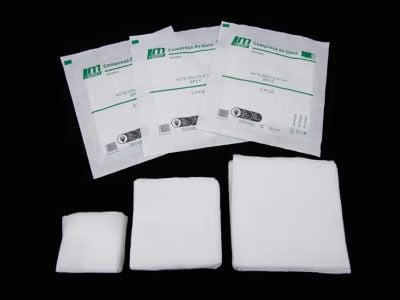
Gauze swabs are essential tools in medical settings, primarily used for wound cleaning and management. Properly understanding how to use gauze swabs for wound cleaning is crucial for healthcare professionals and purchasing managers alike, as it impacts patient care and product selection. This article will address key factors in choosing the right gauze swab, cost considerations for wholesale purchases, proper usage techniques, material advantages, and best practices for application in medical environments.
How to Choose the Right Gauze Swab for Wound Cleaning?
Selecting the appropriate gauze swab involves understanding key specifications that affect its performance. Buyers should consider factors such as the swab's material, size, and absorbency.
Material: Common materials include cotton, rayon, and blends. Cotton swabs are known for their high absorbency and softness, making them ideal for sensitive wounds. In contrast, rayon swabs may offer better fluid control and less lint, which is beneficial in surgical settings.
Size and Thickness: Gauze swabs come in various sizes, typically ranging from 2x2 inches to larger 4x4 inches. The thickness of the swab can also affect its absorbency and the area it can cover. For larger wounds, thicker and larger swabs are generally more effective.
Sterility: Sterile gauze swabs are essential for preventing infection in open wounds. Buyers should verify that the swabs meet industry standards for sterilization and packaging.
By understanding these specifications, purchasing managers can ensure they select gauze swab that meet their facility's specific needs and comply with healthcare regulations.
Cost Considerations for Purchasing Gauze Swabs Wholesale
When considering wholesale purchases of gauze swabs, several cost factors come into play that can significantly affect the overall budget.
Unit Pricing: The cost per unit can vary based on the material, size, and brand. It's advisable to compare prices among suppliers while factoring in the quality of the product. A lower price may not always equate to savings if the product fails to meet quality expectations.
Minimum Order Quantities (MOQ): Many manufacturers set MOQs, which can impact the total cost. Understanding the MOQ will help buyers plan their inventory more effectively and avoid overstocking.
Shipping and Handling Costs: These costs can accumulate quickly, especially for bulk purchases. It's important to consider whether the supplier offers free shipping, as this can affect the overall price per unit.
Quality Assurance: Investing in higher-quality swabs may lead to lower long-term costs due to reduced wastage and fewer complications from inferior products.
By evaluating these cost considerations, buyers can make informed decisions that align with their budget while ensuring they maintain high-quality standards in wound care.
How to Properly Use Gauze Swabs for Effective Wound Cleaning?
Effective wound cleaning with gauze swabs requires a systematic approach to ensure both safety and efficacy. Here are key steps to follow:
Preparation: Before opening a package of gauze swabs, ensure that the workspace is clean and that personal protective equipment (PPE) is worn. This includes gloves, masks, and gowns as necessary.
Cleaning Technique: Use a sterile gauze swab to gently clean around the wound, moving from the center outward. This technique helps prevent bacteria from entering the wound. If there is blood or exudate, a new swab should be used for each swipe to avoid cross-contamination.
Moistening (if required): Depending on the wound type, sterile gauze swabs may be moistened with sterile saline or a wound cleanser before use. This can aid in debris removal and enhance comfort for the patient.
Disposal: After use, dispose of the swabs properly according to medical waste regulations to prevent infection and contamination.
Understanding these procedures ensures that healthcare professionals use gauze swabs effectively, minimizing the risk of infection and promoting optimal healing.
Gauze Swab Material Advantages Explained
The material of a gauze swab significantly influences its performance and suitability for different applications. Here are the main advantages of common materials used:
Cotton: Cotton swabs are soft, absorbent, and gentle on the skin, making them ideal for sensitive wounds. Their natural fibers also provide good breath ability, which can enhance healing.
Rayon: Rayon swabs are often preferred for their superior absorbency and lower lint production. This makes them suitable for surgical applications where cleanliness and fluid control are critical.
Non-Woven Fabrics: These materials often combine the benefits of both cotton and synthetic fibers. Non-woven swabs provide excellent absorbency and can be designed to minimize the risk of linting, which is important in sterile environments.
Blends: Some gauze swabs are made from a blend of materials, providing a balance of softness and durability. This versatility allows for use in various medical applications.
By selecting the right material based on the intended use, buyers can enhance patient care and improve healing outcomes.
Best Practices for Gauze Swab Application in Medical Settings
Implementing best practices for gauze swab application is essential to ensure safety and effectiveness in wound management. Here are several recommended practices:
Regular Training: Healthcare staff should receive regular training on proper techniques for wound cleaning and gauze swab usage. This helps maintain high standards of care and minimizes the risk of errors.
Standard Operating Procedures (SOPs): Establishing SOPs for using gauze swabs can help ensure consistency across practices. These procedures should outline the correct steps for wound cleaning, disposal, and infection control.
Quality Control: Regularly assess the quality of the gauze swab 10cmx10cm being used. This can involve checking for packaging integrity, ensuring sterility, and monitoring any adverse reactions in patients.
Feedback Mechanism: Implementing a feedback system for healthcare staff to report issues or suggest improvements can lead to better practices and product selection.
By adhering to these best practices, medical facilities can enhance the effectiveness of their wound care procedures and ensure better patient outcomes.
understanding how to use gauze swabs for wound cleaning properly is critical for healthcare professionals and purchasing managers. By focusing on product selection, cost considerations, proper usage techniques, material advantages, and best practices, buyers can ensure they are making informed decisions that improve patient care and operational efficiency.