
 EN
EN
 AR
AR
 FR
FR
 PT
PT
 RU
RU
 ES
ES
 BG
BG
 HR
HR
 DA
DA
 NL
NL
 FI
FI
 DE
DE
 EL
EL
 IT
IT
 JA
JA
 KO
KO
 NO
NO
 PL
PL
 RO
RO
 SV
SV
 TL
TL
 ID
ID
 LV
LV
 UK
UK
 VI
VI
 SQ
SQ
 TH
TH
 TR
TR
 AF
AF
 MS
MS
 CY
CY
 IS
IS
 HY
HY
 AZ
AZ
 KA
KA
 MN
MN
 MY
MY
 KK
KK
 UZ
UZ
 SR
SR
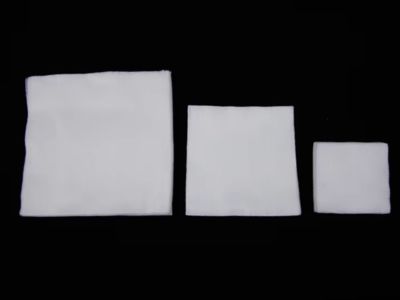
Cotton swabs are versatile tools used in both personal and medical applications, valued for their ability to clean, apply, and absorb. As a purchasing manager or product manager, understanding the nuances of cotton swab applications is crucial for making informed procurement decisions. This article will provide essential tips on selecting the right cotton swab for various uses, considerations for ordering, sourcing reliable suppliers, best practices for use, and pricing factors to keep in mind when purchasing in bulk.
Choosing the Right Cotton Swab for Medical and Personal Use
When selecting cotton swabs, it's essential to consider the intended application whether for medical or personal use. Medical-grade gauze cotton swab typically require stricter quality standards, including sterilization and specific material compositions, to ensure safety and effectiveness. For personal use, options may vary in absorbency and size.
Key specifications to consider include:
Material Composition: Medical swabs often use 100% cotton or synthetic materials. Cotton swabs are preferred for their absorbency and softness, which are crucial for sensitive applications.
Stick Length and Thickness: The length should match the intended use, with longer sticks suitable for deeper applications. Thickness can affect durability; thicker sticks are more robust but may be less flexible.
Tip Design: Depending on the application, the tip can be pointed for precision or rounded for broader applications.
Understanding these specifications helps ensure that the cotton swabs chosen meet the necessary performance requirements for their specific use case.
What to Consider Before Ordering?
Before placing an order for cotton swabs, several factors should be evaluated to avoid common pitfalls:
Quality Standards: Ensure the supplier can provide documentation regarding the quality control measures they implement. This might include certifications or test results demonstrating compliance with industry standards.
Minimum Order Quantity (MOQ): Different suppliers may have varying MOQs. Evaluate your current needs to avoid excess inventory or shortfalls in supply.
Customization Options: If you require specific dimensions, packaging, or branding, confirm that the supplier can accommodate these requests. Customization can enhance brand visibility and product utility.
Lead Time: Understand the production and shipping timelines. Reliable suppliers should be transparent about their lead times, which can impact your inventory management and delivery schedules.
By clarifying these points prior to ordering, you can streamline the procurement process and mitigate potential issues.
Where to Source Reliable Cotton Swab Suppliers for Your Business?
Finding a trustworthy supplier is critical in ensuring a consistent and quality supply of cotton swabs. Consider the following strategies:
Industry Networks: Leverage professional networks and industry associations to seek recommendations for reputable suppliers.
Trade Shows: Attend industry-related trade shows where manufacturers display their products. This provides an opportunity to assess product quality firsthand and discuss custom requirements directly with suppliers.
Online Marketplaces: Utilize B2B platforms where verified suppliers list their products. Look for suppliers with good reviews and verified certifications to ensure reliability.
Due Diligence: Once potential suppliers are identified, conduct thorough background checks. This can include reviewing their manufacturing capabilities, quality control processes, and export experience.
Establishing relationships with multiple suppliers can also provide flexibility and options in case of supply chain disruptions.
Best Practices for Cotton Swab Use
To maximize the effectiveness of cotton swabs in both personal and medical applications, adhere to the following best practices:
For Medical Use: Always use sterile cotton swabs when handling wounds or performing medical procedures to prevent contamination. Ensure the swabs are stored in a clean, dry environment to maintain sterility.
For Personal Use: When using cotton swabs for cosmetics or ear cleaning, avoid inserting them too deeply to prevent damage or irritation. Educate users on safe practices to minimize risks.
Proper Disposal: Implement an effective disposal method for used swabs cotton, particularly those used in clinical settings. Follow local regulations for hazardous waste disposal if applicable.
By following these guidelines, users can ensure that cotton swabs serve their intended purposes safely and effectively.
Cost Factors to Consider When Purchasing Cotton Swabs in Bulk
When evaluating costs associated with bulk purchases of cotton swabs, several factors come into play:
Unit Cost vs. Total Cost: While a lower unit price may seem advantageous, consider the total cost of ownership, which includes shipping, storage, and potential waste from over-ordering.
Shipping and Handling: Bulk orders may incur significant shipping costs. Compare shipping options among suppliers to find the best overall price.
Quality vs. Price: Opting for lower-cost options may result in compromised quality, impacting user satisfaction and efficacy. Balance quality with price to ensure both performance and budgetary compliance.
Contract Terms: Review payment terms and any potential discounts for long-term contracts or larger orders. Building a relationship with your supplier may yield better pricing and terms.
By understanding these cost factors, purchasing managers can make more informed decisions that align with budgetary goals and quality requirements.