
 EN
 AR
 FR
 PT
 RU
 ES
 BG
 HR
 DA
 NL
 FI
 DE
 EL
 IT
 JA
 KO
 NO
 PL
 RO
 SV
 TL
 ID
 LV
 UK
 VI
 SQ
 TH
 TR
 AF
 MS
 CY
 IS
 HY
 AZ
 KA
 MN
 MY
 KK
 UZ
 SR
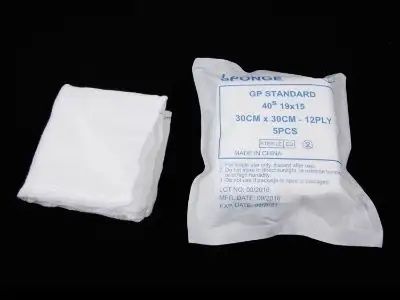
Sterile cotton bandages are vital medical supplies used in healthcare settings for wound care and protection. When purchasing sterile cotton bandages, particularly through wholesale channels, buyers often prioritize quality, compliance with sterilization standards, and suitability for various applications. This article will guide you through the essential aspects of selecting a reliable supplier for sterile cotton bandages, understanding product specifications, and addressing cost factors and installation guidance in medical settings
How to Choose the Right Sterile Cotton Bandage Supplier
Choosing a supplier for sterile cotton bandages involves evaluating several key factors. Start by assessing their manufacturing experience and capabilities. A supplier with over 10 years in the industry, like Taizhou Wanghong Hygienic Material Factory, brings valuable expertise in producing reliable medical products. Look for certifications that ensure compliance with international quality standards, as these are crucial for maintaining safety in medical applications
Next, inquire about their sterilization processes. A strict sterilization protocol is essential to prevent contamination and ensure patient safety. Suppliers should provide documentation of their sterilization methods, which may include gamma irradiation or ethylene oxide sterilization. Additionally, ensure they have a robust quality control system in place that includes regular product testing and batch tracking to ensure consistent quality
Lastly, consider the supplier's ability to handle your specific requirements, such as customization options, packaging preferences, and their ability to meet your order volumes efficiently. A supplier that can adapt to your needs will provide a better partnership in the long run
A Comprehensive Overview
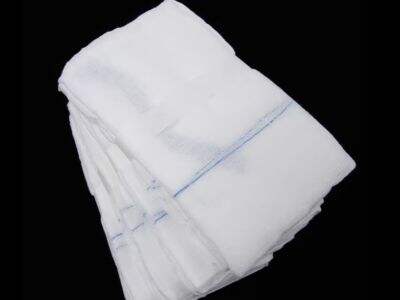
Sterile cotton bandages are made from high-grade cotton, designed to be soft, absorbent, and breathable, making them suitable for a wide range of medical applications. These bandages come in various sizes, lengths, and thicknesses, allowing for versatility in usage, from minor cuts to major surgical wounds
The manufacturing process typically involves selecting quality cotton fibers, followed by processing to ensure they are free from contaminants. The bandages are then cut to size, sterilized, and packaged in sterile conditions to maintain hygiene until use. Understanding the materials and processes involved can help buyers gauge the expected performance and reliability of the product
In addition to basic bandages, there are variations such as cohesive bandages, which stick to themselves without adhesive, and padded bandages for added protection. Each type serves different purposes and should be selected based on the specific medical needs
Key Factors in Sterile Cotton Bandage Selection
When selecting cotton bandage sterile, buyers should consider several critical specifications
Material Quality: The bandage should be made from 100% cotton or a high-quality cotton blend to ensure comfort and absorbency. Low-quality materials can lead to irritation or inadequate moisture management
Size and Dimensions: It's essential to choose the right size based on the intended application. For example, larger bandages are suitable for covering surgical wounds, while smaller ones are ideal for minor cuts
Sterilization Assurance: Ensure that the bandages have been sterilized using a reputable method. Ask for certificates or test results confirming the effectiveness of the sterilization process
Packaging: The packaging should be designed to maintain sterility until opened. Single-use packaging is preferable to prevent contamination
Adhesion Properties: If selecting adhesive bandages, it's crucial to consider the type of adhesive used to avoid skin irritation while ensuring secure adhesion
By focusing on these factors, buyers can select bandages that not only meet regulatory standards but also ensure patient safety and comfort
Cost Factors for Bulk Orders of Sterile Cotton Bandages
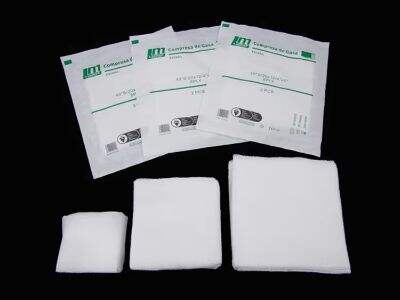
Pricing for bulk orders of sterile cotton bandages can vary based on several factors. The primary considerations include the quality of materials, the complexity of the manufacturing process, and the supplier's production capacity. Bulk orders often come with discounts, but it’s essential to compare the unit price against the quality offered
Additionally, consider the cost of transportation and import duties if sourcing from international suppliers. Shipping costs can significantly affect the overall expenditure, particularly for larger orders
Minimum Order Quantities (MOQ) are also an important factor; some suppliers may require larger orders to ensure cost-effectiveness. Buyers should clearly communicate their needs and negotiate terms that align with their budget and inventory requirements
Lastly, be aware that the lowest price may not always equate to the best value. A supplier with a slightly higher price but superior quality and service can ultimately save you money by reducing waste and improving patient outcomes
Installation Guidance for Sterile Cotton Bandages in Medical Settings
Proper installation of sterile cotton bandages is crucial to ensure effective wound care. Here are key steps to follow
Preparation: Before applying a bandage, ensure that the area is clean and dry. Use antiseptic solutions to clean the wound and surrounding skin to minimize the risk of infection
Application: Gently place the bandage over the wound, ensuring it covers the entire affected area without excessive tension. For larger wounds, consider using multiple bandages or a larger size for adequate coverage
Securing the Bandage: If using adhesive bandages, ensure that they adhere properly without wrinkling. For non-adhesive variants, consider using additional tape or cohesive bandages to secure them in place
Monitoring: Regularly check the bandage for signs of saturation, infection, or irritation. Replace the bandage as necessary, particularly if it becomes wet or soiled
Training: Ensure that medical staff are trained on proper bandage application techniques and understand the importance of maintaining sterility during the process
By following these guidelines, healthcare providers can enhance patient safety and improve healing outcomes, ensuring that sterile gauze cotton bandages serve their intended purpose effectively
Selecting the right sterile cotton bandage supplier involves careful consideration of various factors that affect quality, compliance, and cost. By understanding the specifications, installation procedures, and cost dynamics, buyers can make informed decisions that support their medical practices and patient care initiatives