
 EN
 AR
 FR
 PT
 RU
 ES
 BG
 HR
 DA
 NL
 FI
 DE
 EL
 IT
 JA
 KO
 NO
 PL
 RO
 SV
 TL
 ID
 LV
 UK
 VI
 SQ
 TH
 TR
 AF
 MS
 CY
 IS
 HY
 AZ
 KA
 MN
 MY
 KK
 UZ
 SR
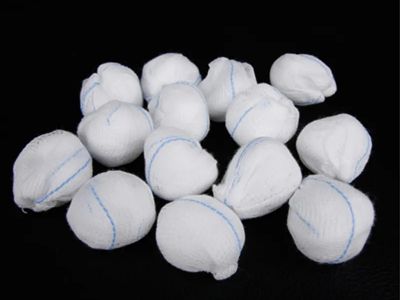
In the medical supply industry, sourcing high-quality gauze and cotton products is essential for healthcare facilities and professionals. A reliable One-Stop Medical Gauze & Cotton Supplies Wholesale Solution not only streamlines procurement but also ensures that end-users receive effective and safe products. This article addresses common concerns of purchasing managers and medical supply distributors, guiding them through the selection process, specifications, and best practices for sourcing medical gauze and cotton supplies.
How to Choose the Right Medical Gauze and Cotton Supplies Wholesale?
When selecting medical gauze and cotton supplies, buyers should consider several critical factors to ensure they meet their specific needs. First, determine the intended application whether it’s for wound care, surgical procedures, or other medical uses. Different types of gauze and cotton products may be required based on application specifics, such as absorbency, texture, and sterility. Next, evaluate the supplier’s experience and reputation in the market. A supplier like Taizhou Wanghong Hygienic Material Factory, with over 10 years of experience, can offer insights into product performance and quality. Additionally, assess the supplier’s capacity for customization, as many healthcare providers prefer tailored solutions to meet their unique requirements. Finally, consider logistics aspects, such as minimum order quantities (MOQ), lead times and packaging options. A well-defined supply chain can significantly impact the efficiency of operations in healthcare settings.
Key Specifications to Evaluate in Medical Gauze Products
Understanding key specifications is essential for assessing the suitability of medical gauze products. Here are several important specifications to consider:
Material Composition: Medical gauze is typically made from cotton or a blend of synthetic materials. gauze offers excellent absorbency and comfort, while synthetic options may provide enhanced durability and reduced linting. Evaluate the material based on the intended use and patient comfort.
Gauze Thickness and Weight: The thickness of gauze (measured in grams per square meter, or GSM) affects its absorbency and strength. Thicker gauze provides greater absorbency, while lighter gauze may be more suitable for less severe wounds.
Weave and Structure: The weave pattern influences the product's breath ability and drainage capabilities. A tighter weave can offer better protection against contaminants, making it ideal for surgical settings.
Sterilization Method: For certain applications, cotton balls for face must be sterile. Ensure the manufacturer uses appropriate sterilization methods, such as gamma radiation or ethylene oxide, to guarantee safety and compliance with healthcare standards.
By carefully evaluating these specifications, buyers can ensure they select products that align with their clinical requirements and patient care objectives.
Common Problems in Medical Supply Purchasing and Their Solutions
Purchasing medical supplies can present various challenges. Here are some common issues and recommended solutions:
Quality Variability: Inconsistent product quality can stem from various manufacturing practices. Buyers should request samples before placing large orders to assess product consistency and performance.
Supply Chain Disruptions: Unforeseen delays in sourcing materials can affect delivery times. Establishing a strong relationship with suppliers like Taizhou Wanghong, who have experience in international logistics, can help mitigate these risks.
Compliance Issues: Medical products must adhere to specific regulatory standards. Buyers should ensure that their suppliers provide documentation of compliance with local and international regulations, such as ISO certifications.
Change in Demand: Fluctuations in demand can lead to overstock or shortages. Implementing a just-in-time inventory strategy can help manage stock levels more effectively and reduce waste.
By proactively addressing these issues, buyers can streamline their purchasing processes and enhance supply chain efficiency.
Comparing Quality Standards for Medical Gauze and Cotton Supplies
Quality standards for medical gauze and cotton supplies are crucial for ensuring safety and effectiveness. There are several recognized standards that buyers should be aware of:
ISO Certification: The International Organization for Standardization (ISO) sets quality management standards that manufacturers should comply with. An ISO-certified supplier demonstrates a commitment to consistent quality and customer satisfaction.
ASTM Standards: The American Society for Testing and Materials (ASTM) provides specifications for gauze products, focusing on factors like absorbency, tensile strength, and sterility. Familiarizing oneself with ASTM standards can help buyers better evaluate product quality.
FDA Compliance: In the United States, the Food and Drug Administration (FDA) regulates medical devices, including gauze and cotton roll gauze products. Ensure that suppliers adhere to FDA guidelines and provide necessary documentation for product registration.
CE Marking: For products sold in Europe, CE marking indicates compliance with health, safety, and environmental protection standards. Buyers should check for CE certification to ensure products meet European market requirements.
By comparing these standards, buyers can make informed decisions and select suppliers that prioritize quality and compliance.
Installation Guidance for Medical Gauze and Cotton Products in Use
Proper installation and application of medical gauze and cotton products are vital for effective results. Here are some guidelines to follow:
Preparation: Before applying gauze, ensure that the wound is clean and dry. This helps prevent infections and promotes healing.
Layering: When using multiple layers of gauze, ensure they are evenly applied to avoid pressure points that could lead to discomfort or delay healing. Use a sterile technique to maintain cleanliness.
Securing the Dressing: Use medical tape or a secure bandage to hold the gauze in place without restricting circulation. Properly securing the dressing helps it stay intact during movement or daily activities.
Monitoring: Regularly check the dressing for signs of saturation or infection. Change the gauze as needed, following healthcare provider recommendations.
By adhering to these installation guidelines, healthcare professionals can optimize the effectiveness of medical gauze and cotton supplies, ensuring better patient outcomes. In summary, selecting the right medical gauze and cotton gauze roll supplies requires a thorough understanding of product specifications, quality standards and best practices for sourcing and application. By partnering with experienced suppliers like Taizhou Wanghong Hygienic Material Factory, buyers can ensure they receive high-quality products that meet the demands of their healthcare settings.
Table of Contents
- How to Choose the Right Medical Gauze and Cotton Supplies Wholesale?
- Key Specifications to Evaluate in Medical Gauze Products
- Common Problems in Medical Supply Purchasing and Their Solutions
- Comparing Quality Standards for Medical Gauze and Cotton Supplies
- Installation Guidance for Medical Gauze and Cotton Products in Use