
 EN
EN
 AR
AR
 FR
FR
 PT
PT
 RU
RU
 ES
ES
 BG
BG
 HR
HR
 DA
DA
 NL
NL
 FI
FI
 DE
DE
 EL
EL
 IT
IT
 JA
JA
 KO
KO
 NO
NO
 PL
PL
 RO
RO
 SV
SV
 TL
TL
 ID
ID
 LV
LV
 UK
UK
 VI
VI
 SQ
SQ
 TH
TH
 TR
TR
 AF
AF
 MS
MS
 CY
CY
 IS
IS
 HY
HY
 AZ
AZ
 KA
KA
 MN
MN
 MY
MY
 KK
KK
 UZ
UZ
 SR
SR
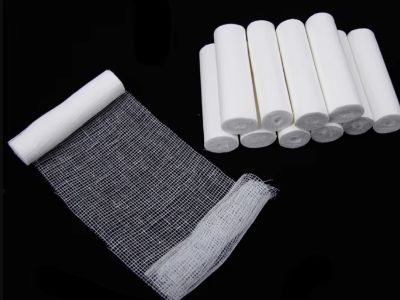
Wound care is a critical aspect of medical treatment, and understanding how to properly use gauze bandages is essential for effective healing. This Step-by-Step Guide to Wrap Wounds with gauze bandage will cover key considerations for selecting the right bandage, sourcing quality products, and proper wrapping techniques. As a purchasing manager or healthcare professional, your main concerns may include product effectiveness, material quality, and cost. This article aims to provide you with the knowledge required to make informed decisions in your wound care procurement.
How to Choose the Right Gauze Bandage for Your Needs?
When selecting a gauze bandage, consider factors such as the type of wound, the location on the body, and the required level of absorption. Gauze bandages come in various forms, including sterile and non-sterile options, as well as different thicknesses and sizes. For instance, a thicker gauze may be necessary for heavily exuding wounds, while a thinner option could suffice for minor cuts.
Additionally, assess the type of material used in the bandage. Cotton gauze is a popular choice due to its breathability and softness, making it suitable for sensitive skin. However, synthetic materials may offer better moisture-wicking properties, which can be advantageous in specific medical settings. Ultimately, understanding the specific needs of your application will guide you in choosing the most appropriate gauze bandage roll.
Where to Source Quality Gauze Bandages for Wholesale Purchases?
Sourcing quality gauze bandages for wholesale purchases requires careful consideration of suppliers. Look for manufacturers with a proven track record in the medical supplies industry, such as Taizhou Wanghong Hygienic Material Factory, which boasts over 10 years of experience. Evaluate their production capabilities, including the use of advanced manufacturing equipment and adherence to quality control protocols.
Additionally, consider the supplier’s certifications and compliance with international quality standards. This information can provide assurance of product safety and reliability. Engaging in direct communication with suppliers can also help clarify lead times, minimum order quantities (MOQs), and customization options, ensuring that your specific requirements are met.
Key Specifications to Consider When Buying Gauze Bandages
When purchasing gauze bandages, several specifications are crucial to ensure the product meets your needs. Key specifications include:
Material Composition: Determine whether you need cotton, synthetic, or a blend, based on the wound type and patient sensitivity.
Size and Dimensions: Bandages come in various sizes, so it's essential to select one that adequately covers the wound without excess material.
Absorbency Level: Depending on the wound’s exudate levels, select a gauze with appropriate absorbency to promote healing and prevent maceration.
Sterility: For surgical or critical care applications, ensure the gauze is sterile to reduce infection risks.
Packaging: Consider how the bandages are packaged. Individual sterile packs may be necessary for certain medical environments, while bulk packaging may be suitable for general use.
By understanding these specifications, you can make informed purchasing decisions that align with your operational needs.
A Buyer’s Guide
Preparing for a purchase of gauze bandages involves several key steps:
Gather Requirements: Clearly define the types of wounds you will be treating, the necessary specifications, and the projected usage rates.
Request Samples: Before committing to a large order, request samples from potential suppliers. This allows you to evaluate the product's quality and suitability in real-world conditions.
Compare Suppliers: Evaluate multiple suppliers based on price, product specifications, and customer service. Consider their ability to meet your delivery timelines and support your purchasing volume.
Verify Certifications: Ensure that the manufacturer meets relevant industry standards and certifications, which can influence product reliability and safety.
Discuss Customization Options: If your facility requires specific dimensions, materials, or packaging, engage suppliers in discussions about customization capabilities.
This buyer's guide will help you streamline the purchasing process and ensure you select the most suitable sterile gauze bandage for your needs.
Installation Guidance for Effective Wound Wrapping with Gauze
Properly wrapping a wound with a gauze bandage is essential for optimal healing. Here are step-by-step instructions:
Prepare the Wound: Clean the wound with antiseptic and ensure the area is dry. This helps prevent infection and promotes adherence.
Cut the Gauze: Measure and cut a piece of gauze that is larger than the wound. This provides adequate coverage and protects surrounding tissue.
Apply the Gauze: Place the gauze directly over the wound. Ensure that it is centered and covers the entire affected area.
Secure the Bandage: Use adhesive tape or a secondary dressing to secure the gauze in place. Ensure it is snug but not overly tight, as this can restrict blood flow.
Check for Comfort: After securing, check the bandage for comfort. The patient should not experience pain or excessive pressure.
Change Regularly: Monitor the wound and replace the gauze as needed, particularly if it becomes wet or soiled.
By following these steps, you can ensure effective wound management, contributing to faster recovery times and better patient outcomes.
Selecting and using gauze bandages effectively is vital in wound care management. By understanding product specifications, sourcing quality materials, and applying proper techniques, you can enhance the healing process for your patients while ensuring compliance with industry standards.