
 EN
EN
 AR
AR
 FR
FR
 PT
PT
 RU
RU
 ES
ES
 BG
BG
 HR
HR
 DA
DA
 NL
NL
 FI
FI
 DE
DE
 EL
EL
 IT
IT
 JA
JA
 KO
KO
 NO
NO
 PL
PL
 RO
RO
 SV
SV
 TL
TL
 ID
ID
 LV
LV
 UK
UK
 VI
VI
 SQ
SQ
 TH
TH
 TR
TR
 AF
AF
 MS
MS
 CY
CY
 IS
IS
 HY
HY
 AZ
AZ
 KA
KA
 MN
MN
 MY
MY
 KK
KK
 UZ
UZ
 SR
SR
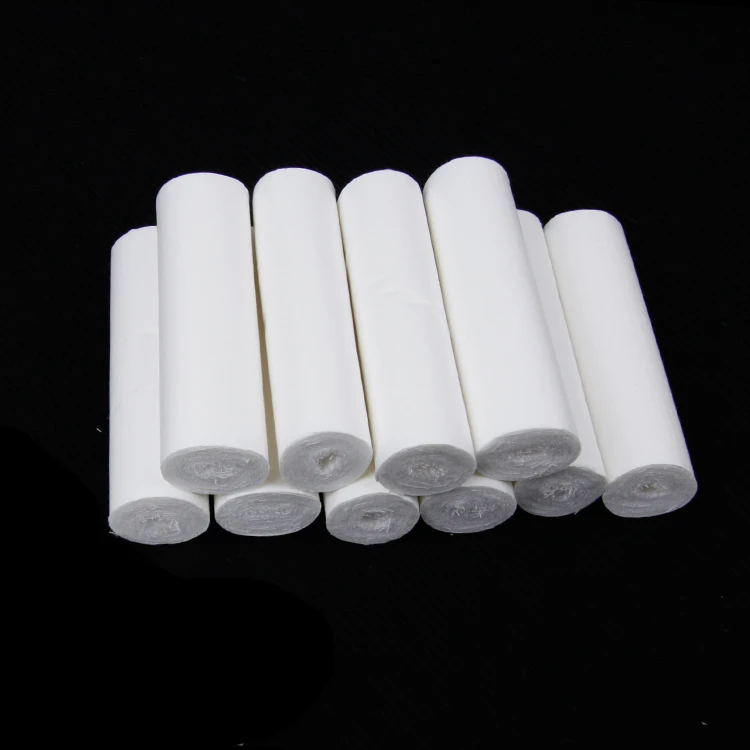
In the medical industry, gauze rolls are essential products used for a variety of applications, including wound care, surgical procedures, and general hygiene. Understanding the multiple applications of cotton roll bandage in medical institutions can significantly influence purchasing decisions for hospitals, clinics, and suppliers. This article aims to clarify the different uses of gauze rolls, address common buyer concerns, and provide practical guidance for selecting the right products.
Exploring Bulk Order Options for Medical Gauze Rolls
When considering bulk orders of gauze rolls, several factors are crucial for B2B buyers. First, it's essential to assess the volume of product required based on the institution's needs, which can vary widely depending on patient load and service types. Taizhou Wanghong Hygienic Material Factory, with over 10 years of experience in medical product manufacturing, offers flexible bulk order options that can accommodate diverse requirements.
Buyers should also explore pricing structures, as larger orders often lead to significant savings. Additionally, understanding the lead time for production and delivery is vital to ensure that the medical facility remains well-stocked. When submitting a request for quotation (RFQ), providing details such as desired quantities, product specifications, and delivery timelines can facilitate a more accurate response from suppliers.
How to Choose the Right Gauze Roll for Your Medical Facility?
Selecting the appropriate gauze roll depends on various factors, including the intended application, material composition, and size. Medical gauze rolls are typically made from cotton or a blend of synthetic materials, with gauze roller bandage offering superior absorbency and comfort. For wound care, non-woven gauze may be preferred due to its lower linting and enhanced fluid retention.
Consider the size of the gauze roll as well, as this can affect its usability for different applications. Standard widths are available, but custom sizes can be manufactured to meet specific needs. Buyers should also evaluate the roll's packaging for ease of use and storage, as well as its compatibility with other medical supplies. Engaging with a reputable manufacturer like Taizhou Wanghong can ensure access to a diverse range of options tailored to specific medical requirements.
Key Quality Factors to Consider When Sourcing Gauze Rolls
Quality is paramount when sourcing gauze rolls, particularly in a medical setting where patient safety is at stake. Buyers should assess the following key quality factors:
Material Quality: Ensure that the gauze material is sourced from reputable suppliers and meets relevant medical standards. Cotton gauze should be free from contaminants and ideally hypoallergenic.
Certifications: Look for products that comply with international healthcare regulations, such as ISO certifications. This indicates adherence to quality management systems in manufacturing.
Manufacturing Processes: Understanding the manufacturing process can provide insights into product reliability. For instance, sterile gauze rolls should undergo rigorous sterilization processes to ensure they are free from pathogens.
Quality Control: Inquire about the supplier's quality control measures during production. Regular testing and inspections can help guarantee that each batch meets the required specifications.
By prioritizing these factors, buyers can minimize risks associated with low-quality products and ensure the safety of patients.
Installation Guidance for Effective Use of Gauze Rolls
While gauze rolls are relatively straightforward to use, proper application techniques are essential for maximizing their effectiveness. Here are some best practices for installation and usage:
Preparation: Before application, ensure that the area is clean and dry. Cut the gauze roll to the desired length, and if necessary, fold it to fit the wound or area being treated.
Layering: In cases of severe wounds, layering multiple pieces of gauze can enhance absorbency. However, ensure that the layers are not too thick to prevent moisture buildup, which can lead to infections.
Securing: Use medical tape or bandages to secure the gauze in place. It’s important to check that the gauze is snug but not too tight, as this can impede circulation.
Monitoring: Regularly inspect the gauze dressing for signs of saturation or infection. Change the gauze as needed to maintain a clean healing environment.
By following these guidelines, healthcare professionals can ensure effective wound management and patient comfort.
Common Problems with Gauze Rolls and Their Solutions
Despite their widespread use, gauze rolls may present certain challenges. Here are some common problems and their solutions:
Adhesion Issues: Gauze may not adhere properly to the skin, leading to premature removal. This can often be resolved by using cohesive bandages or adhesive tapes designed for medical use.
Linting: Some gauze rolls may shed fibers, which can be problematic in surgical settings. Opting for non-woven gauze can significantly reduce linting issues.
Absorbency Limitations: In cases where high absorbency is required, standard gauze may not suffice. Using specialized gauze rolls designed for high-absorbency applications can help address this concern.
Storage Issues: Improper storage can lead to contamination or damage to the gauze rolls. Ensure the storage area is cool, dry, and away from direct sunlight to maintain product integrity.
By being aware of these potential problems and implementing the suggested solutions, buyers can optimize their gauze roll usage and improve overall patient care.
In summary, understanding the multiple applications of gauze rolls in medical institutions involves careful consideration of bulk ordering options, selection criteria, quality factors, usage guidance, and potential issues. By leveraging insights from experienced gauze roll manufacturers like Taizhou Wanghong Hygienic Material Factory, buyers can make informed decisions that enhance operational efficiency and patient outcomes.