
 EN
EN
 AR
AR
 FR
FR
 PT
PT
 RU
RU
 ES
ES
 BG
BG
 HR
HR
 DA
DA
 NL
NL
 FI
FI
 DE
DE
 EL
EL
 IT
IT
 JA
JA
 KO
KO
 NO
NO
 PL
PL
 RO
RO
 SV
SV
 TL
TL
 ID
ID
 LV
LV
 UK
UK
 VI
VI
 SQ
SQ
 TH
TH
 TR
TR
 AF
AF
 MS
MS
 CY
CY
 IS
IS
 HY
HY
 AZ
AZ
 KA
KA
 MN
MN
 MY
MY
 KK
KK
 UZ
UZ
 SR
SR
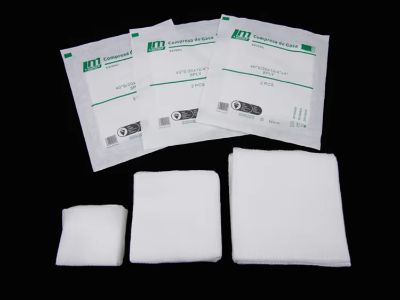
Gazlı pamuklu bezler, yara bakımı, cerrahi işlemler ve hasta hijyeni için çeşitli sağlık hizmeti ortamlarında kullanılan temel tıbbi malzemelerdir. Gazlı pamuklu bezlerin özelliklerini ve kullanımlarını anlamak, tıbbi personel, satın alma yöneticileri ve dağıtım şirketleri açısından kaynak temini ve uygulama konusunda bilinçli kararlar alabilmeleri açısından kritik öneme sahiptir. Bu makalede gazlı pamuklu bezlerin ne olduğu, belirli tıbbi uygulamalar için doğru seçim nasıl yapılacağı ve bu önemli malzemelerin temin edilmesi amacıyla alıcılar için pratik rehberlik sunulacaktır.
Tıbbi Uygulamalar İçin Doğru Gazlı Pamuklu Bezi Nasıl Seçersiniz?
Pansuman bezlerini seçerken alıcılar, tıbbi ortamlardaki performanslarını etkileyecek birkaç temel faktörü göz önünde bulundurmalıdır. İlk olarak, pansuman bezi olarak kullanılan malzeme çok önemlidir. Yaygın malzemeler arasında pamuk ve rayon bulunur; her biri farklı emicilik ve konfor seviyeleri sunar. Pamuklu pansuman bezleri, üstün emiciliği ve yumuşaklığı ile yara bakımı için idealdir. Rayon ise uygun maliyetli bir alternatif sunarken yine de kabul edilebilir düzeyde emicilik sağlar. Daha sonra, bezin boyutu ve kalınlığı önemli değerlendirmeler arasındadır. bant bez genellikle 2x2 inçten başlayarak daha büyük boyutlara kadar çeşitli boyutlarda bulunur; bu boyutlar amaçlanan kullanıma göre değişir. Yüksek hacimli ekzüdat üreten yaralarda daha kalın pamuklu çubuklar tercih edilebilirken, daha hafif uygulamalar için daha ince olanları yeterli olabilir. Ayrıca dokuma türü, pamuklu çubuğun performansını etkiler. Daha sıkı bir dokuma, daha fazla dayanıklılık sağlayabilir ve cerrahi ortamlarda kritik öneme sahip olan tüylenmeyi azaltabilir. Alıcılar ayrıca belirli sterilite gereksinimlerini de göz önünde bulundurmalı ve pamuklu çubukların amaçlanan kullanımına göre gama ışını ile mi yoksa etilen oksit ile mi sterilize edileceğini değerlendirmelidir.
Alıcıların Bilmesi Gerekenler?
Pamuklu bezler satın alınırken alıcılar birkaç kritik unsuru göz önünde bulundurmalıdır. Kalite güvencesi en öncelikli konudur; bu nedenle, kurulmuş kalite kontrol süreçlerine sahip saygıdeğer üreticilerden temin edilmesi gerekmektedir. Örneğin, Taizhou Wanghong Hygienic Material Factory tıbbi ürünler üretiminde on yıldan fazla deneyime sahiptir ve ürünleri gerekli tıbbi düzenlemelere uygun hale getirmek için katı kalite standartlarına uyar.
Alıcılar ayrıca üreticinin sahip olduğu sertifikalara dikkat etmelidir. Tıbbi cihazlar için ISO 13485 gibi uluslararası standartlara uyum, kalite ve güvenlik konusundaki bağlılığı gösterebilir. Ayrıca, minimum sipariş miktarını (MOQ) ve teslim süresini anlamak, alıcıların stoklarını ve bütçelerini daha etkili planlamasına yardımcı olur. Son olarak, fiyatlandırma önemli bir faktördür. Daha düşük fiyatlar cazip görünse de bazen düşük kaliteye işaret edebilir. Kalite sorunlarından kaynaklanabilecek olası israf veya yeniden siparişler de dahil olmak üzere toplam sahip olma maliyetini değerlendirmek, en iyi değeri daha net ortaya koyabilir.
Tıbbi bakımda Gazlı Pamuklu Bezlerin Yaygın Uygulamaları
Pamuklu bezler, tıbbi bakım alanında geniş bir uygulama yelpazesi sunar. En yaygın kullanımlarından biri, yaraların temizlenmesi, pansumanlanması ve eksüdatlarının emilmesi amacıyla yara yönetimi süreçlerinde kullanılmasıdır. Emici özellikleri sayesinde, kesikler ve sıyrıklar gibi hafif yaralardan ameliyat kesileri gibi ciddi yaralara kadar hem küçük hem de büyük yaralar için idealdir. Cerrahi ortamlarda pamuklu bezler, steril alanın korunması ve kanamanın kontrol edilmesi amacıyla sıkça kullanılır. Antiseptik solüsyonların uygulanmasında veya işlemler sırasında kanın emilmesinde tercih edilirler. Ayrıca hasta hijyeninde de kullanılırlar; özellikle hassas bölgelerin temizlenmesinde ya da hastaların ameliyata hazırlanmasında yer alırlar. Başka bir kullanım alanı ise laboratuvar ortamlarıdır; burada steril bez parçası örnek toplamak veya ekipmanları temizlemek amacıyla kullanılabilirler. Bu ürünlerin çok yönlülüğü, onları çeşitli tıbbi ortamlarda vazgeçilmez araçlar haline getirir.
Güvenilir Pamuklu Bez Tedarikçileri Bulmak
Kaliteli gazlı bezlerin sürekli tedarikini sağlamak için güvenilir tedarikçileri belirlemek hayati önem taşır. Alıcılar, potansiyel tedarikçilerin itibarını ve müşteri yorumlarını araştırarak gerekli özeni göstermelidir. Sektörle ilgili forumlarda bağlantı kurmak ve fuarlara katılmak da güvenilir üreticiler hakkında bilgi edinmeye yardımcı olabilir. Büyük siparişlere geçmeden önce numune talep etmek önerilir. Bu, alıcıların ürün kalitesini doğrudan değerlendirmesine ve belirli ihtiyaçlarına uyup uymadığını belirlemesine olanak tanır.
Ayrıca, boyut, ambalaj ve etiketleme gibi özelleştirme seçenekleriyle ilgili tedarikçilerle açık iletişim kurmak, satın alma deneyimini iyileştirebilir ve ürünün alıcının gereksinimleriyle tam olarak uyumlu olmasını sağlayabilir. düz perde taneleri . Alıcılar ayrıca tedarikçinin üretim kapasitesi hakkında bilgi almalıdır. Örneğin, kullanılan üretim süreçleri ve ekipmanlar hakkında bilgi edinmek, tutarlı kalite sağlama potansiyelini ve büyük siparişleri veya özel taleplere cevap verebilme yeteneğini değerlendirmeye yardımcı olabilir.
Bir Alıcı Kılavuzu
Pamuklu bezli süngerler satın almak üzere hazırlanırken alıcılar, tedarik sürecini kolaylaştırmak amacıyla kapsamlı bir özellik ve gereksinim listesi hazırlamalıdır. Teklif isteği (RFQ) belgesine dahil edilmesi gereken temel bilgiler şunları içerebilir:
Ürün Türü: Gerekli pamuklu bezli sünger türünü belirtin (örn. emici, emici olmayan).
Malzeme: Pamuk, rayon ya da karışım tercih edilip edilmediğini netleştirin.
Boyut ve kalınlık: Çeşitli uygulamalar için gerekli boyutları ve kalınlıkları belirtin.
Sterilizasyon Gereksinimleri: Süngerlerin steril mi yoksa steril olmayan mı olması gerektiğini onaylayın.
Miktar: Tahmini sipariş hacmini belirtin; böylece tedarikçinin talebi karşılayabilmesi sağlanır.
Özelleştirme Gereksinimleri: Belirli ambalaj, etiketleme veya marka bilgileri gibi özel talepleri ayrıntılı şekilde açıklayın.
Teslimat Yeri: Ürünlerin nereye gönderileceğini belirtin; çünkü bu, nakliye maliyetlerini ve teslim sürelerini etkileyebilir.
Bu bilgileri toplayarak alıcılar, potansiyel tedarikçilerle daha verimli görüşmeler yapabilir ve ihtiyaçlarının etkili bir şekilde karşılandığından emin olabilir. Bu parametreleri anlama, yalnızca satın alma sürecini kolaylaştırmakla kalmaz, aynı zamanda tıbbi ortamlarda sunulan bakım kalitesini de artırır.