
 EN
EN
 AR
AR
 FR
FR
 PT
PT
 RU
RU
 ES
ES
 BG
BG
 HR
HR
 DA
DA
 NL
NL
 FI
FI
 DE
DE
 EL
EL
 IT
IT
 JA
JA
 KO
KO
 NO
NO
 PL
PL
 RO
RO
 SV
SV
 TL
TL
 ID
ID
 LV
LV
 UK
UK
 VI
VI
 SQ
SQ
 TH
TH
 TR
TR
 AF
AF
 MS
MS
 CY
CY
 IS
IS
 HY
HY
 AZ
AZ
 KA
KA
 MN
MN
 MY
MY
 KK
KK
 UZ
UZ
 SR
SR
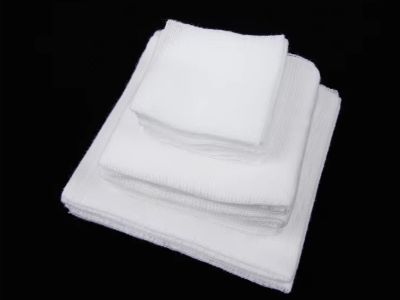
Choosing the right gauze swab for medical use is crucial for healthcare professionals and purchasing managers alike. This article outlines essential considerations for selecting high-quality gauze swab that meet various medical applications. Key concerns for buyers include the material, specifications, and supplier reliability. This guide will help you understand the factors to consider when sourcing gauze swabs, ensuring that you make informed purchasing decisions.
How to Choose the Right Gauze Swab for Medical Applications?
Selecting high-quality gauze swabs requires attention to several key specifications. First, consider the material used. Most medical sterile gauze swabs are made from 100% cotton or blended fabrics. Cotton provides excellent absorbency and softness, making it ideal for wound care. Ensure that the swabs are sterile and comply with relevant medical standards.
Next, evaluate the dimensions and thickness of the gauze swabs. Standard sizes typically range from 2x2 inches to 4x4 inches, and thickness can affect absorbency and comfort. For instance, thicker swabs may be preferable for high-exudate wounds, while thinner swabs might be suitable for lighter applications.
Additionally, check for variations such as non-woven versus woven gauze. Non-woven gauze offers better fluid retention and is often used for surgical applications, while woven gauze may be more suitable for general wound care. Understanding the intended application will help you choose the most appropriate type of medical gauze swab.
Where to Find Reliable Suppliers of Medical Gauze Swabs?
Finding a reliable supplier for medical gauze swabs involves conducting thorough research. Start by looking for manufacturers with a proven track record in the industry. Taizhou Wanghong Hygienic Material Factory, for example, has over 10 years of experience in producing medical products and serves customers globally, emphasizing quality and service.
You can also check for certifications that demonstrate compliance with international standards, such as ISO or CE marking. These certifications indicate that the supplier adheres to strict quality control processes and is committed to producing safe medical products.
Attend industry trade shows or connect with professional networks to gather recommendations and reviews about potential suppliers. Building relationships with suppliers who understand your specific needs can also facilitate better communication and support during the purchasing process.
What You Need to Know?
When sourcing gauze swabs, understanding the specifications and quality control processes is vital. Pay attention to the manufacturing techniques used, as these can impact the swab's overall performance. For example, swabs that undergo stringent quality checks and are produced in controlled environments are less likely to have contaminants.
Buyers should also inquire about Minimum Order Quantities (MOQs) and lead times. These factors can significantly affect your purchasing strategy, especially when planning for large-scale needs. Knowing the production capacity of your supplier can help you avoid delays and ensure adequate stock levels.
Finally, ask about customization options. Many manufacturers, including Taizhou Wanghong, can tailor products to meet specific client requirements, such as size, packaging, or even branding. This flexibility can be particularly beneficial for companies looking to differentiate their offerings in a competitive market.
Understanding Cost Factors in Bulk Gauze Swab Purchases
The cost of gauze swabs can vary based on several factors, including material quality, manufacturing processes, and order volume. When purchasing in bulk, economies of scale often lead to lower per-unit costs, but it’s essential to balance cost with quality.
Consider the total cost of ownership, which includes not just the purchase price but also shipping, storage, and potential wastage. For instance, if lower-cost swabs are of inferior quality, they may require more frequent replacements, ultimately increasing costs.
Additionally, be aware of shipping costs and import duties if sourcing products from international suppliers. It's beneficial to request detailed quotations that break down these costs, ensuring you have a clear understanding of the financial implications of your purchase.
Common Problems with Gauze Swabs and Their Solutions
While gauze swabs are generally reliable, buyers should be aware of common issues that can arise. One frequent problem is contamination, which can occur if swabs are not produced in sterile environments. To mitigate this, always verify that the supplier follows strict sterilization processes and can provide documentation of compliance.
Another common issue is the inconsistency in absorbency and softness. Variations in material quality can lead to swabs that do not meet performance expectations. Buyers should always request samples for testing before making a bulk purchase. Evaluate the samples under actual conditions to assess their suitability for your specific applications.
Lastly, improper packaging can lead to damage during shipping or storage. Ensure that your supplier uses adequate packaging methods that protect the swabs from moisture and contamination. Discuss your packaging preferences and requirements upfront to avoid issues down the line.
By considering these factors and engaging in thorough supplier evaluation, you can confidently choose high-quality gauze swabs that meet your medical needs.