
 EN
EN
 AR
AR
 FR
FR
 PT
PT
 RU
RU
 ES
ES
 BG
BG
 HR
HR
 DA
DA
 NL
NL
 FI
FI
 DE
DE
 EL
EL
 IT
IT
 JA
JA
 KO
KO
 NO
NO
 PL
PL
 RO
RO
 SV
SV
 TL
TL
 ID
ID
 LV
LV
 UK
UK
 VI
VI
 SQ
SQ
 TH
TH
 TR
TR
 AF
AF
 MS
MS
 CY
CY
 IS
IS
 HY
HY
 AZ
AZ
 KA
KA
 MN
MN
 MY
MY
 KK
KK
 UZ
UZ
 SR
SR
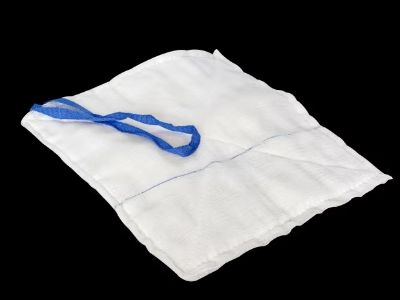
Lap sponges are essential surgical dressings used in operating rooms to absorb fluids during procedures. As a key surgical dressing, they play a crucial role in maintaining a sterile environment and ensuring the safety of both patients and medical staff. Purchasing managers, distributors, and healthcare providers often face concerns regarding the quality, reliability, and cost of lap sponges. This article aims to provide valuable insights into sourcing high-quality lap sponges, discussing key specifications and considerations that can help decision-makers make informed choices.
Where to Buy High-Quality Lap Sponges in Bulk?
When looking to purchase lap sponges in bulk, it's essential to identify reputable manufacturers and suppliers. The best approach is to seek out factories with established experience in producing medical products, such as Taizhou Wanghong Hygienic Material Factory which has over 10 years in the industry. Buyers can look for suppliers that offer competitive pricing while maintaining high-quality standards.
It's also beneficial to request certifications and quality assurance documentation, which can indicate adherence to industry standards. Consider suppliers with a strong export market presence, as they are often more familiar with international compliance requirements. Online marketplaces dedicated to medical supplies may also offer a variety of options, but ensure that the sellers have a good reputation and positive reviews.
What to Look for in Lap Sponges?
When evaluating lap sponges, consider the following key specifications:
Material: Most lap sponges are made from cotton or a blend of cotton and synthetic fibers. Cotton is preferred for its absorbent properties and softness, which minimizes irritation to patients. Ensure the material is hypoallergenic and free from harmful chemicals.
Size and Dimensions: Lap sponges come in various sizes, typically ranging from 12x12 inches to 18x18 inches. Choose a size that fits the surgical procedures you perform most frequently, as larger sponges may provide better coverage, while smaller ones can be easier to handle.
Absorbency: Look for sponges that provide high absorbency to minimize the risk of fluid accumulation during surgery. This is critical for maintaining a clear surgical field and preventing potential complications.
Sterility: Ensure that the lap sponges are sterilized and packaged in a way that maintains their sterility until used. Validation of the sterilization process is crucial for patient safety.
Durability: Assess the stitching and overall construction quality. Well-stitched sponges are less likely to fall apart during use, which can lead to complications.
By focusing on these specifications, buyers can ensure they select lap sponges that meet their needs effectively.
Common Problems with Surgical Dressings and Their Solutions
One common issue with surgical dressings, including lap sponges, is material degradation. Over time, sponges can lose their absorbency or become less effective due to improper storage or handling. To mitigate this, ensure that all products are stored in a cool, dry place and check expiration dates regularly.
Another problem is contamination from improper packaging. To avoid this, always source lap sponge from reputable suppliers that provide clear packaging and labeling. If possible, conduct random quality checks to ensure that the products meet the expected standards prior to use. Additionally, some users may experience issues with sponge linting, which can interfere with surgical fields. Opt for high-quality sponges that are designed to minimize lint and ensure that the manufacturing process adheres to stringent quality control measures.
Cost Factors to Consider When Purchasing Lap Sponges
When evaluating costs, several factors come into play. First, consider the unit price of lap sponges, which can vary significantly based on material and manufacturer. While lower-priced options may be tempting, they may compromise quality and safety.
Volume discounts are another critical factor. Many manufacturers, including Taizhou Wanghong, offer reduced rates for bulk purchases. Understanding the minimum order quantity (MOQ) can also help buyers negotiate better pricing.
Shipping costs should not be overlooked. Depending on the supplier’s location, shipping can add a significant amount to the total expenditure. Always factor in delivery times and any potential customs fees if sourcing internationally.
Lastly, consider the lifecycle cost of the sponges. Investing in higher-quality non stick bandage may result in lower overall costs due to fewer replacements and reduced complications during surgeries.
Installation Guidance for Effective Use of Lap Sponges
While lap sponges do not require complex installation processes, proper handling and usage are essential for maximizing their effectiveness. Here are some practical tips:
Preparation: Ensure that the surgical area is clean and organized before introducing lap sponges. This includes checking that all sponges are sterile and within their expiration dates.
Handling: Always use gloves when handling lap sponges to maintain a sterile environment. Avoid touching the sponge’s absorbent surfaces to prevent contamination.
Placement: Place lap sponges strategically around the surgical site to ensure optimal fluid absorption. It’s essential to monitor the quantity of sponges used during surgery to prevent any from being inadvertently left inside the patient.
Post-Procedure Management: After the procedure, ensure that all sponges are accounted for. Implement a system for tracking the number of sponges used, as this is vital for patient safety and compliance with medical regulations.
By following these guidelines, healthcare professionals can ensure that sponge lap are used effectively and safely within surgical environments. By understanding these elements, purchasing managers and medical professionals can make informed decisions when selecting lap sponges, ensuring that they meet the specific requirements of their surgical practices while maintaining high standards of patient care.