
 EN
EN
 AR
AR
 FR
FR
 PT
PT
 RU
RU
 ES
ES
 BG
BG
 HR
HR
 DA
DA
 NL
NL
 FI
FI
 DE
DE
 EL
EL
 IT
IT
 JA
JA
 KO
KO
 NO
NO
 PL
PL
 RO
RO
 SV
SV
 TL
TL
 ID
ID
 LV
LV
 UK
UK
 VI
VI
 SQ
SQ
 TH
TH
 TR
TR
 AF
AF
 MS
MS
 CY
CY
 IS
IS
 HY
HY
 AZ
AZ
 KA
KA
 MN
MN
 MY
MY
 KK
KK
 UZ
UZ
 SR
SR
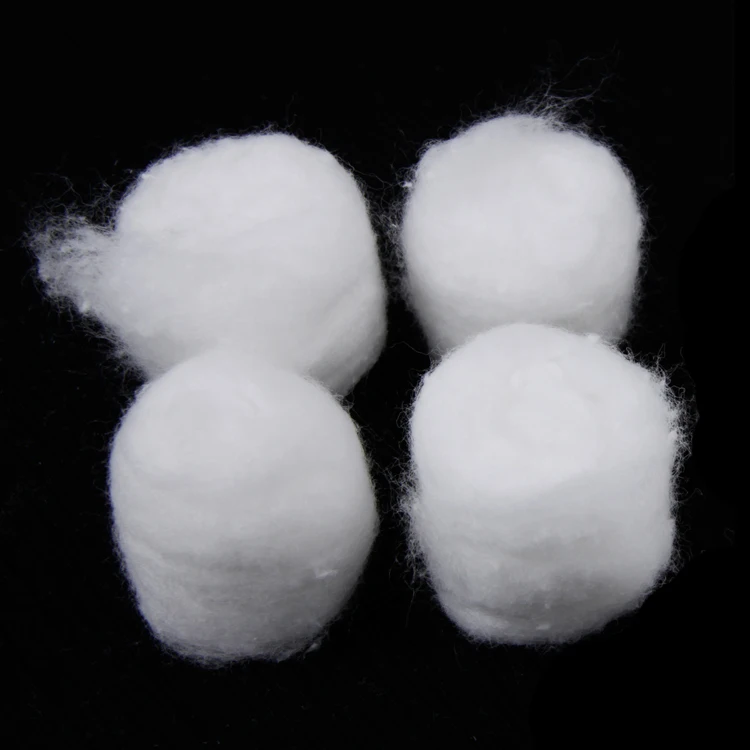
Gauze balls are essential tools in both daily first aid and clinical treatment settings, providing critical support for wound management and patient care. Understanding gauze bandage usage in these contexts is crucial for buyers like purchasing managers, healthcare providers, and clinical specialists. This article will explore key factors influencing gauze ball quality, common issues encountered, and effective usage guidelines, helping professionals make informed decisions about their procurement and application.
Quality, Cost, and Performance Factors
When evaluating gauze balls, the primary concerns revolve around quality, cost, and performance. High-quality gauze balls are typically made from 100% cotton or a blend that ensures optimal absorbency and softness, crucial for patient comfort and effective wound care. The thickness and weave of the gauze also play a significant role; a tighter weave offers better structural integrity, making it suitable for surgical applications, while a looser weave may be adequate for less critical uses.
Cost is often a decisive factor, especially for bulk purchases. Buyers should consider the total cost of ownership, which includes not only the unit price but also shipping, storage, and the potential for wastage due to poor quality. A supplier with a solid reputation in the market can often justify a higher cost with superior performance and reliability.
Performance metrics, such as absorbency rate and tensile strength, are also critical. Buyers should request data sheets from suppliers to understand how the gauze balls will perform under specific conditions. For instance, gauze balls intended for surgical use may require higher absorbency and non-sterile options might be adequate for basic first aid kits.
Common Issues with Gauze Balls in First Aid and Their Solutions
Despite their utility, gauze balls can present several issues in both first aid and clinical settings. Common problems include linting, insufficient absorbency, and contamination. Linting can occur if the gauze is not woven tightly enough, leading to fibers being left in the wound, which can complicate healing. To mitigate this, buyers should select gauze balls made from high-quality materials that minimize lint.
Insufficient absorbency, particularly in high-volume bleeding situations, can be another critical concern. Buyers should evaluate gauze balls based on their absorbency ratings and consider dual-layer options for enhanced performance. Additionally, ensuring that the gauze balls are properly sterilized can prevent contamination, particularly in surgical settings. It's advisable to work with suppliers who maintain stringent quality control processes and can provide certifications for their products.
Installation and Usage Guidelines for Optimal Gauze Ball Effectiveness
Proper installation and usage of gauze balls are vital for their effectiveness in medical applications. For first aid, Gauze Bandage should be applied directly to the wound, applying gentle pressure to control bleeding. In clinical settings, gauze balls can be layered to enhance absorbency, particularly for surgical procedures.
It's also essential to replace gauze balls regularly to prevent infection and ensure that wounds are healing correctly. Labels on packaging often provide recommended usage guidelines, which should be followed diligently. When using gauze balls in conjunction with other dressings, buyers should seek advice on compatibility to ensure optimal outcomes.
For bulk orders, buyers should discuss packaging and labeling options with suppliers to facilitate quick access during emergencies. A clear communication line with the supplier can also help address any questions regarding best practices for usage and storage.
Assessing the Cost Factors in Bulk Orders of Gauze Balls for Projects
When considering bulk orders of gauze balls, various cost factors must be evaluated. While the unit price is a major consideration, buyers should also account for minimum order quantities (MOQ), shipping costs, and potential discounts for larger orders. It is recommended to compare quotes from multiple suppliers to ascertain the best value.
Additionally, buyers should consider the cost implications of quality. Investing in higher-quality gauze balls can reduce the frequency of restocking and the risk of product failure during critical situations. A thorough analysis of total costs, including the potential for wastage and the long-term reliability of the product, can lead to more informed purchasing decisions.
Buyers should also inquire about lead times for bulk orders. Delays in delivery can impact clinical operations, so it's advisable to confirm the supplier's production capacity and shipping schedules upfront.
Material Advantages of Gauze Balls for Enhanced Clinical Treatment Efficacy
The material composition of gauze balls significantly influences their performance in clinical treatments. Cotton gauze is favored for its softness, absorbency, and hypoallergenic properties, making it suitable for direct contact with skin. Additionally, non-woven gauze options are gaining popularity for their lower linting properties and superior absorbency.
Another critical consideration is the gauze ball's sterility. For clinical applications, especially in surgical environments, using sterile gauze balls is essential to prevent infections. Buyers should ensure that the products they source come with proper certifications indicating their sterility and quality control measures.
Furthermore, customization options can enhance the effectiveness of gauze balls. For example, gauze balls can be treated with antimicrobial agents to prevent bacterial growth, adding an extra layer of protection for patients. Discussing these options with suppliers can lead to tailored solutions that meet specific clinical needs and applications.
In summary, understanding gauze ball usage in daily first aid and clinical treatment is essential for making informed purchasing decisions. By focusing on quality, cost, performance factors, and material advantages, buyers can ensure they select the most appropriate Gauze Ball products for their needs, ultimately enhancing patient care and operational efficiency.
Table of Contents
- Quality, Cost, and Performance Factors
- Common Issues with Gauze Balls in First Aid and Their Solutions
- Installation and Usage Guidelines for Optimal Gauze Ball Effectiveness
- Assessing the Cost Factors in Bulk Orders of Gauze Balls for Projects
- Material Advantages of Gauze Balls for Enhanced Clinical Treatment Efficacy