
 EN
EN
 AR
AR
 FR
FR
 PT
PT
 RU
RU
 ES
ES
 BG
BG
 HR
HR
 DA
DA
 NL
NL
 FI
FI
 DE
DE
 EL
EL
 IT
IT
 JA
JA
 KO
KO
 NO
NO
 PL
PL
 RO
RO
 SV
SV
 TL
TL
 ID
ID
 LV
LV
 UK
UK
 VI
VI
 SQ
SQ
 TH
TH
 TR
TR
 AF
AF
 MS
MS
 CY
CY
 IS
IS
 HY
HY
 AZ
AZ
 KA
KA
 MN
MN
 MY
MY
 KK
KK
 UZ
UZ
 SR
SR
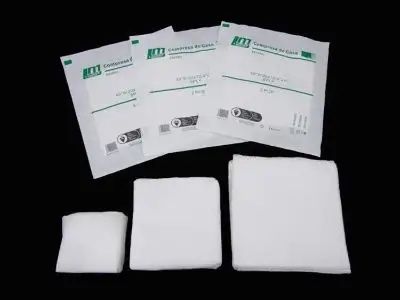
Choosing the right gauze bandage is critical for healthcare providers and suppliers, as it directly affects patient care and treatment effectiveness. This article outlines the key factors to consider when buying gauze bandages, addressing essential buyer concerns such as quality, material specifications, and supplier reliability. Our goal is to equip you with the knowledge needed to make informed purchasing decisions, ensuring your organization can effectively meet patient needs while maintaining operational efficiency
Key Factors to Consider When Choosing Gauze Bandage for Wholesale
When selecting gauze bandages for wholesale, several key factors should guide your decision-making process
Material Composition: Gauze bandages can be made from various materials, including cotton, polyester, and blends. Cotton offers breath-ability and comfort, making it ideal for sensitive skin, while synthetic materials may provide enhanced durability and moisture resistance. Understanding the intended application will help determine the most suitable material
Gauze Type and Structure: Gauze bandages come in different types, including sterile and non-sterile options, as well as varying mesh sizes. Sterile gauze is critical for surgical applications to prevent infections, while non-sterile gauze is often used for minor wounds. The structure, such as porous-ness and thickness, affects how well the bandage will absorb fluids and speed up the healing process
Size and Dimensions: Ensure that the dimensions of the gauze bandage fit the intended application. Common sizes include 2x2 inches, 4x4 inches, and various lengths. Selecting the right size not only aids in proper wound coverage but also minimizes wastage
Certifications and Compliance: Verify that the gauze bandages meet relevant medical standards and certifications. Products that comply with ISO or CE marking are often more trustworthy, indicating adherence to quality and safety regulations
Packaging and Shelf Life: Consider how the gauze bandages are packaged. Individual packaging can enhance sterility, while bulk packaging may be more cost-effective for larger healthcare facilities. Additionally, check the shelf life to ensure the products remain usable for your planned duration of storage
Where to Find Reliable Suppliers for Gauze Bandage Products
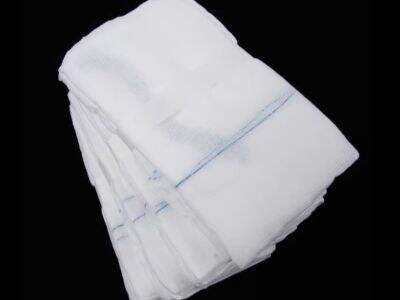
Finding a reliable supplier for gauze bandage products is crucial for maintaining quality in your healthcare offerings. Here are some strategies to locate trustworthy manufacturers
Industry Directories: Utilize online B2B platforms and industry directories to identify manufacturers specializing in medical supplies. Websites like Alibaba or ThomasNet can provide comprehensive listings and company details
Trade Shows and Conferences: Attending medical trade shows and industry conferences allows you to meet suppliers face-to-face. This interaction can help gauge their credibility, product quality, and customer service firsthand
Referrals and Recommendations: Networking with industry peers, healthcare professionals, or purchasing managers can lead to valuable recommendations. Established relationships often yield insights into supplier reliability and product performance
Online Reviews and Testimonials: Investigate online reviews and testimonials from other buyers. These can provide a sense of the supplier's reputation, customer service quality, and consistency in product delivery
Evaluate Manufacturer Capabilities: Assess potential suppliers based on their manufacturing experience, production capacity, and quality control processes. A supplier with a strong track record in producing medical products, like Taizhou Wanghong Hygienic Material Factory, can often assure higher quality and reliability
Specifications to Compare When Sourcing Gauze Bandages in Bulk
When sourcing gauze bandage rolls in bulk, it’s essential to compare specific specifications that directly impact product performance
Absorbency Rate: Different gauze materials have varying absorbency rates, which can affect their effectiveness in wound care. Buyers should inquire about the absorbency performance of gauze products to ensure they meet the demands of specific medical applications
Sterility Assurance: For surgical and serious wound applications, confirm the sterility of the gauze bandages. Request documentation that proves the product has undergone appropriate sterilization processes
Thread Count and Weave Type: The thread count and type of weave can influence the bandage's strength and flexibility. Higher thread counts typically indicate a denser weave, which offers better protection against external contaminants
Quality Control Standards: Review the quality control measures in place at the manufacturing facility. Ensure that suppliers follow stringent testing protocols for each batch of gauze bandages to maintain consistency and reliability
Customizability: Depending on your specific requirements, you might need custom sizes, packaging, or branding. Ensure the supplier can accommodate these needs without compromising quality
Best Applications for Gauze Bandage in Medical Settings
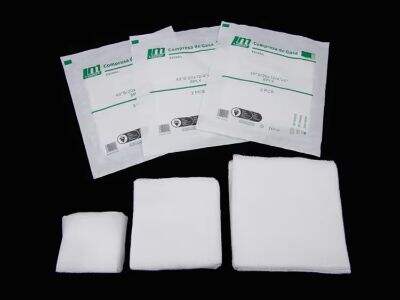
Gauze bandages are versatile products with various applications in medical settings. Here are some of the best uses
Wound Care: Gauze bandages are commonly used for covering and protecting wounds, helping to absorb exudate while allowing airflow to promote healing
Post-Surgical Care: Following surgical procedures, gauze is often employed to cover incision sites, providing a breathable barrier against infections
Burn Treatment: For minor burns, gauze can be used to cover the affected area while maintaining moisture, which aids in the healing process
Emergency Care: In emergency situations, gauze bandages serve as effective dressings to control bleeding and protect injuries until professional medical assistance can be provided
Pediatric Applications: Due to their soft and gentle nature, gauze bandages are suitable for use on pediatric patients, ensuring comfort during healing
Installation Guidance for Effective Use of Gauze Bandages
Proper application of gauze bandage tape is essential to ensure their effectiveness. Here are some guidelines for effective use
Clean the Wound: Before applying the gauze bandage, ensure that the wound is cleaned thoroughly with saline or antiseptic solution to minimize infection risk
Choose the Right Size: Select a gauze bandage that adequately covers the wound, extending at least one inch beyond the edges to ensure complete coverage
Apply with Care: Gently place the gauze over the wound without applying excessive pressure, which could disrupt healing or cause discomfort
Secure the Bandage: Use adhesive tape or a secondary dressing to secure the gauze bandage in place. Avoid using tight wraps that could restrict blood flow
Monitor and Change Regularly: Regularly check the bandage for signs of saturation or infection. Change the gauze as needed, especially if it becomes wet or soiled
By understanding these essential factors when purchasing gauze bandages, healthcare providers can ensure they select the best products for their needs, ultimately contributing to better patient outcomes
Table of Contents
- Key Factors to Consider When Choosing Gauze Bandage for Wholesale
- Where to Find Reliable Suppliers for Gauze Bandage Products
- Specifications to Compare When Sourcing Gauze Bandages in Bulk
- Best Applications for Gauze Bandage in Medical Settings
- Installation Guidance for Effective Use of Gauze Bandages