
 EN
EN
 AR
AR
 FR
FR
 PT
PT
 RU
RU
 ES
ES
 BG
BG
 HR
HR
 DA
DA
 NL
NL
 FI
FI
 DE
DE
 EL
EL
 IT
IT
 JA
JA
 KO
KO
 NO
NO
 PL
PL
 RO
RO
 SV
SV
 TL
TL
 ID
ID
 LV
LV
 UK
UK
 VI
VI
 SQ
SQ
 TH
TH
 TR
TR
 AF
AF
 MS
MS
 CY
CY
 IS
IS
 HY
HY
 AZ
AZ
 KA
KA
 MN
MN
 MY
MY
 KK
KK
 UZ
UZ
 SR
SR
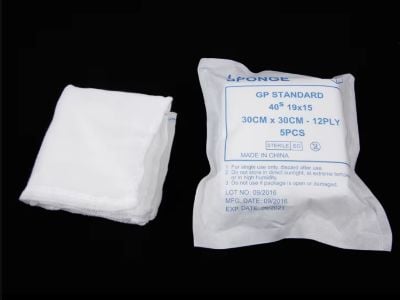
Surgical lap sponges are critical tools used in medical procedures to absorb blood and other fluids, ensuring a sterile environment and aiding in the prevention of post-operative complications. Understanding the usage rules during surgical procedures is essential for healthcare professionals and procurement managers alike. This article will delve into the key specifications, purchasing considerations, and best practices for using surgical sponge lap effectively, helping buyers make informed decisions about these vital medical supplies.
Key Specifications for High-Quality Surgical Lap Sponges
When evaluating surgical lap sponges, several key specifications should be prioritized:
Material Composition: Surgical lap sponges are typically made from absorbent cotton or rayon. The choice of material affects fluid absorption rates and overall comfort. Cotton sponges are known for their high absorbency, while rayon offers a softer texture, making it suitable for sensitive applications.
Dimensions and Thickness: Standard sizes usually range from 4x4 inches to 12x12 inches, with thickness influencing absorbency and application. Buyers should ensure that the dimensions meet the specific needs of their surgical procedures to maximize effectiveness.
Sterilization and Packaging: Most surgical lap sponges are pre-packaged and sterilized for immediate use. It's crucial to check for proper packaging integrity and expiration dates to maintain sterility.
Certifications and Compliance: Ensure that the lap sponges comply with relevant medical device regulations and standards, such as ISO or CE certifications. This indicates that the products have met rigorous safety and quality assessments.
Understanding these specifications helps buyers select lap sponge that align with the specific requirements of their surgical environments.
What Buyers Need to Know?
For purchasing managers and healthcare procurement professionals, there are several factors to consider when selecting surgical lap sponges:
Volume Requirements: Determine the expected usage volume, as this will influence the purchasing strategy. Consider bulk purchasing options for cost savings, but ensure that storage conditions are adequate to maintain product integrity.
Customization Options: Some manufacturers offer customization in terms of size, material, and packaging. If specific dimensions or materials are required for particular procedures, inquire about these options early in the procurement process.
Supplier Reputation: Evaluate potential suppliers based on their manufacturing experience, quality control processes, and customer service. Research reviews and case studies to gauge reliability and trustworthiness.
Lead Times: Understand the typical lead times for orders, especially if you require large quantities or customized products. This will help in planning inventory and avoiding shortages.
By addressing these points, buyers can strategically approach their purchasing decisions, ensuring they acquire the right products at the best prices.
Cost Factors to Consider When Purchasing Surgical Lap Sponges
Pricing for surgical lap sponges can vary significantly based on several factors:
Material Quality: Higher-quality materials may cost more but provide better performance and safety. For example, sponges made from 100% cotton may be priced higher than blended options due to their superior absorbency.
Order Quantity: Bulk orders often come with discounts. However, buyers should also consider the cost of storage and potential wastage if products are not used before their expiration dates.
Supplier Relationships: Long-term partnerships with suppliers can lead to more favorable pricing structures. Engage in negotiations to explore volume discounts or loyalty programs.
Shipping Costs: Factor in shipping fees when calculating total costs, especially for international orders. Look for suppliers who offer competitive shipping rates or consolidated shipping options.
Understanding these cost factors enables buyers to make financially sound decisions while ensuring they meet quality standards.
Installation Guidance for Optimal Use of Surgical Lap Sponges
Correct usage of surgical lap sponges is crucial for achieving optimal performance during procedures:
Preparation: Before use, ensure that the surgical area is clean and that the sponges are sterile. Inspect packaging for any signs of damage that could compromise sterility.
Placement: Place lap sponges strategically based on the surgical procedure. For example, in abdominal surgeries, Lap Sponge can be used to absorb excess blood around the surgical site, helping maintain visibility for the surgeon.
Count Verification: Implement a strict counting protocol for sponges before, during, and after surgery to prevent retention accidents. This is a critical safety measure in surgical environments.
Disposal: Follow institutional protocols for the disposal of used sponges. Many facilities have specific guidelines for handling biohazardous materials.
By adhering to these guidelines, healthcare professionals can enhance the safety and efficacy of surgical procedures.
Selecting Trusted Sources for Lap Sponges
Choosing a reputable supplier is vital for quality assurance and reliability:
Assess Manufacturing Practices: Investigate the manufacturing processes of potential suppliers. Quality control measures, such as regular inspections and testing of materials, are essential for ensuring product safety.
Review Certifications: Verify that the supplier holds necessary certifications that reflect compliance with safety and quality standards. This may include ISO certifications or compliance with local health regulations.
Request Samples: Before committing to a large order, request samples to assess quality. Testing the sponges under actual surgical conditions can provide valuable insights into their performance.
Evaluate Customer Support: A trustworthy supplier should offer robust customer support, including assistance with product inquiries, order tracking, and returns. This can be crucial in addressing issues that may arise post-purchase.
By conducting thorough evaluations of potential suppliers, buyers can establish long-lasting partnerships that ensure access to high-quality surgical lap sponges.
In summary, understanding the nuances of surgical lap sponge usage rules during surgical procedures is essential for procurement managers and healthcare professionals. By focusing on specifications, cost factors, installation guidance, and supplier selection, buyers can make informed decisions that enhance surgical outcomes and patient safety.