
 EN
EN
 AR
AR
 FR
FR
 PT
PT
 RU
RU
 ES
ES
 BG
BG
 HR
HR
 DA
DA
 NL
NL
 FI
FI
 DE
DE
 EL
EL
 IT
IT
 JA
JA
 KO
KO
 NO
NO
 PL
PL
 RO
RO
 SV
SV
 TL
TL
 ID
ID
 LV
LV
 UK
UK
 VI
VI
 SQ
SQ
 TH
TH
 TR
TR
 AF
AF
 MS
MS
 CY
CY
 IS
IS
 HY
HY
 AZ
AZ
 KA
KA
 MN
MN
 MY
MY
 KK
KK
 UZ
UZ
 SR
SR
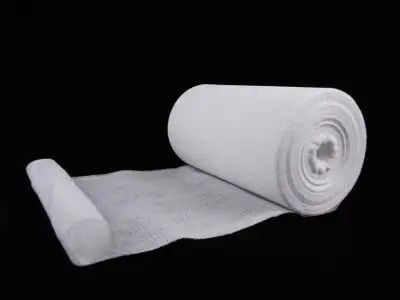
Choosing the right durable and absorbent gauze roll is crucial for various medical and industrial applications. With numerous options available in the market, B2B buyers, such as purchasing managers and product managers, must consider several factors to ensure they choose products that meet their specific needs. This article will provide insights into how to pick durable and absorbent gauze rolls, addressing key specifications, cost factors, material selection, and essential attributes that should be considered during the purchasing process
How to Choose the Right Durable Gauze Roll for Your Needs
When selecting gauze rolls, it’s essential to analyze the specific application for which the gauze will be used. Considerations include the type of wound care, surgical settings, or industrial applications. For instance, gauze rolls used for surgical procedures may need to be more absorbent and sterile compared to those used for general wound care
B2B buyers should prioritize gauze rolls that exhibit high tensile strength and durability. These qualities ensure that the gauze can withstand handling and application without tearing or fraying. Additionally, the absorbency level is critical—gauze rolls should efficiently manage fluid absorption to prevent leakage and maintain a clean environment
Understanding the size and dimensions of the gauze roll is also important. Standard sizes may vary, and a buyer should choose sizes that fit their specific applications, whether they are for dressing wounds or other uses. Custom sizes may be available depending on the manufacturer, providing more flexibility to meet unique buyer needs
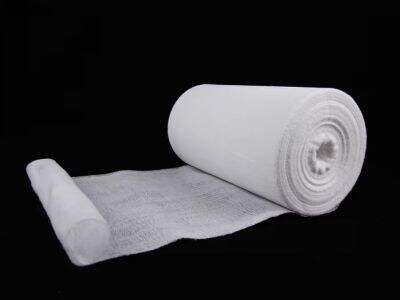
Key Specifications to Evaluate When Selecting Gauze Rolls
When evaluating gauze rolls, certain specifications are paramount. Here are the key factors B2B buyers should consider
Material Composition: Gauze is typically made from cotton or a blend of synthetic fibers. Cotton gauze offers excellent absorbency and softness, making it suitable for sensitive skin. Synthetic materials may provide enhanced durability and moisture-wicking properties
Gauze Weight: The weight of the gauze, usually measured in grams per square meter (gsm), affects its absorbency and durability. Heavier gauze rolls are often more durable, while lighter ones may be preferred for certain applications
Thread Count: A higher thread count generally indicates a denser fabric, which can enhance durability and absorbency. Buyers should consider the thread count based on their application requirements
Sterilization: For medical applications, gauze rolls should be sterile. Buyers should check that the products meet the required sterilization standards to ensure safety and effectiveness
Packaging: The way gauze rolls are packaged can influence their shelf life and usability. Individually packaged rolls might be more suitable for medical settings, while bulk packaging may be fine for industrial use
Understanding the Cost Factors in Wholesale Gauze Roll Purchases
Cost is a significant factor when purchasing sterile gauze rolls in bulk. Various elements influence pricing, including material quality, manufacturing processes, and order volume. Here are some considerations
Material Quality: Higher-quality materials, such as 100% cotton or specialized synthetic blends, may come at a premium price. However, investing in quality can lead to better performance and less waste
Order Volume: Bulk purchases often result in lower per-unit costs. Buyers should evaluate their requirements carefully to optimize order quantities and leverage discounts without overstocking
Manufacturing Processes: Costs can vary depending on the complexity of the manufacturing process. For example, gauze that requires additional treatments or finishes (like flame resistance or antimicrobial properties) may have higher production costs
Shipping and Handling: Consider the logistics of shipping, as costs can vary based on the delivery location and the weight of the bulk order. Understanding shipping terms and lead times is crucial for budgeting
Supplier Relationships: Establishing a long-term relationship with suppliers can lead to better pricing and terms. Regular communication can also enhance service quality and responsiveness
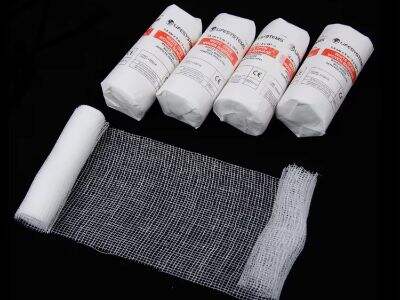
What to Look For
When selecting gauze rolls, buyers should be aware of the following attributes
Absorbency Level: Check the product specifications for absorbency ratings. Manufacturers may provide data on fluid retention capabilities, which can be essential for specific applications
Durability: Look for gauze rolls that can maintain structural integrity under stress. This is particularly important in high-use environments, such as hospitals or industrial settings
Compliance: Ensure that gauze rolls meet relevant regulatory standards for medical or industrial use. This includes certifications for safety and efficacy
Customization Options: Some manufacturers offer customization in terms of dimensions, packaging, and material blends. This can be particularly useful for companies with specific requirements
Choosing the Best Materials for Durable and Absorbent Gauze
Selecting the right materials for cotton gauze rolls is critical to achieving durability and absorbency. Here are common materials used and their respective advantages
Cotton: Known for its absorbency and softness, cotton is a popular choice for medical gauze. It is gentle on the skin, making it ideal for wound care applications
Polyester Blends: Blends of polyester and cotton often enhance durability and reduce the risk of fraying. These materials can also provide moisture-wicking properties, making them suitable for various applications
Rayon: This synthetic fiber offers excellent absorbency and is often used in applications requiring quick fluid management. Rayon gauze is lightweight and can be softer than cotton, although it may not provide the same level of durability
Specialty Fabrics: Some manufacturers produce gauze with added features, such as antimicrobial properties or flame resistance. Buyers should assess whether these specialized fabrics meet their operational needs
When selecting durable and absorbent gauze rolls, understanding the critical specifications, cost factors, and material options can significantly impact the effectiveness of the product in various applications. By considering these elements, B2B buyers can make informed decisions that align with their specific needs