
 EN
EN
 AR
AR
 FR
FR
 PT
PT
 RU
RU
 ES
ES
 BG
BG
 HR
HR
 DA
DA
 NL
NL
 FI
FI
 DE
DE
 EL
EL
 IT
IT
 JA
JA
 KO
KO
 NO
NO
 PL
PL
 RO
RO
 SV
SV
 TL
TL
 ID
ID
 LV
LV
 UK
UK
 VI
VI
 SQ
SQ
 TH
TH
 TR
TR
 AF
AF
 MS
MS
 CY
CY
 IS
IS
 HY
HY
 AZ
AZ
 KA
KA
 MN
MN
 MY
MY
 KK
KK
 UZ
UZ
 SR
SR
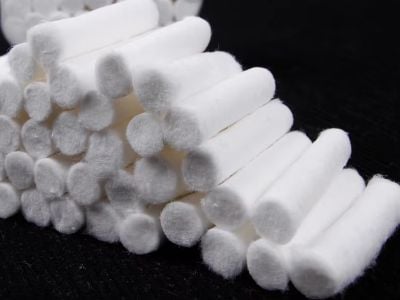
Applying cotton rolls effectively in skin care and medical nursing settings is crucial for ensuring hygiene, comfort, and proper treatment outcomes. Understanding how to apply cotton rolls can help professionals in the medical and beauty industries make informed decisions about product selection and usage practices. This article will address key considerations such as choosing the right cotton roll, evaluating quality, installation tips, common problems, and cost factors when buying in bulk, all aimed at assisting purchasing managers, distributors, and product managers in their decision-making process.
How to Choose the Right Cotton Roll for Medical Applications?
Selecting the appropriate cotton roll for medical applications involves evaluating several key factors. Firstly, consider the composition of the cotton roll. Ideally, it should be made from 100% pure cotton to ensure maximum absorbency and minimal irritation to the skin. Additionally, the roll's size and thickness should align with its intended use thicker rolls may be necessary for more demanding applications, such as wound dressing, while thinner rolls may suffice for routine cleaning or swabbing. Another factor to consider is the cotton roll tensile strength. This is particularly important in medical settings where the roll may be manipulated or stretched. A roll that maintains its integrity under pressure will provide better performance. Furthermore, it is crucial to evaluate the roll's packaging. Hygiene is paramount, so opt for cotton rolls that are individually wrapped or packaged in a manner that prevents contamination before use.
Evaluating Quality in Cotton Rolls for Skin Care Use
When it comes to skin care applications, the quality of cotton rolls can significantly impact the results of treatments. Look for cotton rolls that are free from additives and chemicals, as these can irritate the skin. High-quality cotton rolls should have a soft, non-abrasive texture, which is vital for delicate areas of the face or body. Conducting a visual inspection is essential. Ensure that the rolls are free from lint and debris, as these can affect the application and the overall user experience. Moreover, check for any signs of discoloration or unevenness in texture, which may indicate poor manufacturing practices. A reliable manufacturer, such as Taizhou Wanghong Hygienic Material Factory, with over a decade of experience in producing medical products, can provide assurance of quality through established quality control processes and certifications.
Installation Tips for Cotton Rolls in Medical and Beauty Settings
Proper installation of cotton rolls can enhance their effectiveness in both medical and beauty treatments. For medical applications, it is crucial to ensure that the area of application is clean and dry before placing the cotton roll. When using cotton rolls for wound care, for example, the roll should be positioned gently over the affected area without applying excessive pressure, allowing it to absorb any exudate effectively. In beauty settings, such as facials or makeup application, the cotton roll bandage should be used to apply products evenly. It can be moistened with toners or lotions to enhance the application process. Additionally, using a cotton roll with a larger diameter can cover more surface area quickly, which is beneficial in professional settings where efficiency is key. Ensure that staff are trained on the best practices for applying cotton rolls to maintain hygiene and effectiveness throughout the process.
Common Problems with Cotton Rolls and Effective Solutions
Despite their utility, cotton rolls can present some common challenges. One issue is the tendency for the rolls to unravel during use, which can lead to waste and inefficiency. To mitigate this, consider using cotton rolls that are tightly wound and have a strong core, as these are less likely to fray. Another problem is the absorption capacity. If a cotton roll is not absorbent enough, it may not be suitable for certain medical applications, such as absorbing blood or exudate from wounds. In such cases, testing samples from suppliers can help determine the right absorbency for your needs. Additionally, stored cotton rolls can sometimes become damp or contaminated if not stored properly. It's essential to keep them in a moisture-free environment and ensure that the packaging is intact until the point of use.
Understanding Cost Factors When Buying Cotton Rolls in Bulk
Cost considerations are vital when purchasing cotton rolls, especially for businesses that require large quantities. The price per unit will often decrease with higher order volumes, so understanding the minimum order quantities (MOQ) is essential. It’s advisable to evaluate your usage patterns to determine the right order size. Furthermore, consider additional costs such as shipping and handling, which can significantly impact overall expenses. When requesting quotes, be clear about your specifications, including the type of dental cotton rolls, dimensions, and any customization options. Finally, while lower prices may be appealing, they should not compromise quality. Always conduct thorough supplier evaluations to ensure that the products meet the necessary standards, balancing cost with quality to achieve the best value for your investment. By following these guidelines, purchasing managers and distributors can navigate the selection and application of cotton rolls effectively, ensuring they meet their operational needs while maintaining quality and cost-efficiency.