
 EN
EN
 AR
AR
 FR
FR
 PT
PT
 RU
RU
 ES
ES
 BG
BG
 HR
HR
 DA
DA
 NL
NL
 FI
FI
 DE
DE
 EL
EL
 IT
IT
 JA
JA
 KO
KO
 NO
NO
 PL
PL
 RO
RO
 SV
SV
 TL
TL
 ID
ID
 LV
LV
 UK
UK
 VI
VI
 SQ
SQ
 TH
TH
 TR
TR
 AF
AF
 MS
MS
 CY
CY
 IS
IS
 HY
HY
 AZ
AZ
 KA
KA
 MN
MN
 MY
MY
 KK
KK
 UZ
UZ
 SR
SR
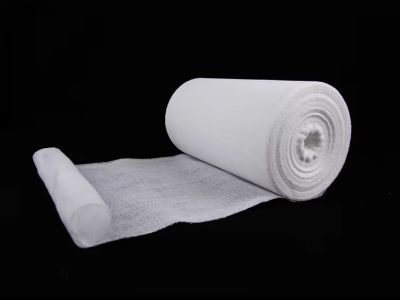
Gauze rolls are essential medical supplies widely used in hospitals and clinics for their versatility and effectiveness in wound care. Understanding why gauze roll is widely used in these settings can help healthcare providers make informed purchasing decisions. This article will explore the advantages of gauze rolls, how to select the right type for specific needs, common issues faced, and installation guidance, enabling purchasing managers and healthcare professionals to optimize their supply chain.
Understanding the Advantages of Gauze Roll in Medical Settings
Gauze rolls are made from woven cotton or synthetic materials, providing an absorbent layer that promotes healing while allowing for breath ability. One of the primary advantages is their versatility; they can be used for wound dressing, securing splints, or as a base for medication applications. In terms of absorbency, gauze rolls excel in managing exudate from wounds, which is crucial for preventing infections. The open weave structure allows for fluid absorption while maintaining airflow, which is vital for healing. Additionally, gauze roll are lightweight and easy to manipulate, making them ideal for quick application in emergency situations. Their cost-effectiveness also makes them a preferred choice for healthcare facilities, especially those operating under budget constraints.
How to Choose the Right Gauze Roll for Your Facility's Needs?
When selecting gauze rolls for a healthcare facility, several specifications and factors should be considered. First, evaluate the material: cotton gauze is generally preferred for its softness and absorbency, while synthetic options may offer durability and resistance to tearing. Next, consider the size and dimensions of the gauze roll. Common widths range from 2 to 6 inches, and lengths can vary significantly. The choice depends on the types of wounds commonly treated in your facility. A larger roll might be suitable for extensive wounds, while smaller rolls may be more appropriate for minor injuries. Quality certifications are also important. Ensure that the gauze roller bandage comply with relevant health standards and regulations. This not only guarantees safety and efficacy but also reassures healthcare providers of the product's reliability. Lastly, assess the packaging and sterilization methods used, as these can impact the product's shelf life and usability in clinical environments.
Which Is Best for Your Application?
Choosing the right type of gauze roll largely depends on the specific application. For example, sterile gauze rolls are essential for surgical procedures and open wounds to minimize infection risk. Non-sterile gauze rolls, on the other hand, may be adequate for less critical uses, such as minor abrasions or as padding. Additionally, consider the intended use: if a gauze roll is required for heavy drainage, a thicker, highly absorbent option is necessary. Conversely, for dry or minor wounds, a lighter, breathable gauze may suffice. Understanding the wound type and expected exudate level will guide the selection process effectively.
Common Problems with Gauze Roll and Their Effective Solutions
Despite their widespread use, gauze rolls can present specific challenges. One common issue is the adherence of the gauze to the wound, which can be painful during dressing changes. To mitigate this, consider using gauze rolls that are treated with a non-adherent coating, which can help reduce pain and trauma during removal. Another problem is the potential for lint or residue left on the wound. Choosing high-quality, tightly woven gauze rolls can minimize this risk, as they are less likely to shed fibers. Lastly, cotton gauze roll can sometimes be prone to unraveling if not properly secured. Educating staff on the correct techniques for applying and securing gauze rolls can prevent this issue, ensuring that they remain in place and function as intended.
Installation Guidance for Using Gauze Roll in Clinical Environments
Proper installation of gauze rolls is crucial for effective wound care. First, prepare the wound area by cleaning it thoroughly with an antiseptic solution to prevent infection. Once the area is clean, unroll the gauze and cut it to the desired length, ensuring it is long enough to adequately cover the wound with some overlap to secure it. When applying the gauze, use gentle pressure to avoid further injury to the tissue. If additional support is needed, consider securing the gauze with adhesive tape or a secondary dressing. Regular monitoring and changing of the gauze roll according to clinical guidelines will ensure optimal healing conditions. Lastly, it is important to train staff on the correct techniques for gauze roll application and removal to minimize discomfort for the patient and ensure compliance with health standards. Providing refresher training sessions can aid in maintaining high-quality care practices in your facility. By understanding the advantages, selection criteria, potential issues and installation guidelines associated with gauze rolls, healthcare facilities can enhance their wound care practices and improve patient outcomes. This practical knowledge empowers purchasing managers and healthcare professionals to make informed decisions that align with their operational needs.