
 EN
EN
 AR
AR
 FR
FR
 PT
PT
 RU
RU
 ES
ES
 BG
BG
 HR
HR
 DA
DA
 NL
NL
 FI
FI
 DE
DE
 EL
EL
 IT
IT
 JA
JA
 KO
KO
 NO
NO
 PL
PL
 RO
RO
 SV
SV
 TL
TL
 ID
ID
 LV
LV
 UK
UK
 VI
VI
 SQ
SQ
 TH
TH
 TR
TR
 AF
AF
 MS
MS
 CY
CY
 IS
IS
 HY
HY
 AZ
AZ
 KA
KA
 MN
MN
 MY
MY
 KK
KK
 UZ
UZ
 SR
SR
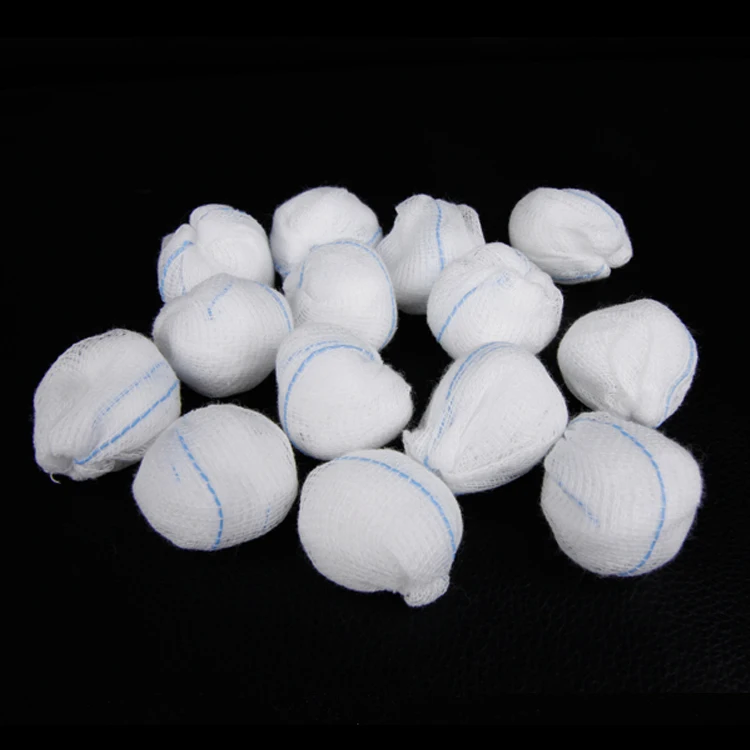
Medical cotton balls are essential products in the healthcare and personal care sectors, valued for their absorbency and versatility. For retailers and distributors, sourcing medical cotton ball bulk supply requires careful consideration of quality, reliability, and application suitability. This article aims to address key buyer concerns, including product specifications, supplier evaluation, common issues, and practical applications, ensuring you make informed purchasing decisions.
What to Consider When Choosing Medical Cotton Balls for Wholesale?
When selecting medical cotton balls for wholesale, various specifications and factors should be evaluated:
Material Composition: Medical cotton balls are typically made from 100% cotton or a blend of cotton and synthetic fibers. Cotton is preferred for its absorbency and softness, which is crucial for medical applications. Ensure that the Cotton Roll material is hypoallergenic and free from harmful chemicals, which is critical for patient safety.
Size and Density: Cotton balls come in various sizes, typically ranging from 1 to 2 inches in diameter. The density of the cotton affects absorbency; denser cotton balls can hold more liquid, which may be necessary for certain applications, such as wound care or cleaning.
Manufacturing Processes: Understanding the production techniques is vital. Cotton balls should undergo rigorous quality control processes to ensure they meet industry standards for cleanliness and safety. Look for suppliers that provide information on their manufacturing capabilities and certifications, which can be a good indicator of product quality.
Packaging Options: The packaging of medical cotton balls can influence their shelf life and ease of use. Consider whether you need bulk packaging for cost-effectiveness or individual packaging for retail convenience. Ensure that the packaging maintains sterility if intended for medical use.
Minimum Order Quantity (MOQ): Different suppliers will have varying MOQs. Assess your inventory needs and budget to find a supplier that aligns with your purchasing strategy.
Where to Source Reliable Medical Cotton Ball Suppliers?
Finding a trustworthy supplier for medical cotton balls is crucial for ensuring product quality and reliability. Here are some strategies:
Industry Directories and Trade Shows: Utilize online directories and attend industry-specific trade shows to meet potential suppliers. These events provide opportunities to evaluate products firsthand and establish direct communication with manufacturers.
Certifications and Compliance: Look for suppliers that hold relevant certifications, such as ISO 13485 for medical devices. Compliance with international standards indicates a commitment to quality and safety.
Supplier Reputation: Research potential suppliers by reading reviews and testimonials from other retailers or distributors. A supplier with a strong reputation in the industry is more likely to deliver consistent quality.
Request Samples: Before placing a bulk order, always request samples. This allows you to evaluate the product's quality, absorbency, and suitability for your specific application.
Long-Term Partnerships: Consider suppliers who are willing to establish long-term relationships. This can lead to better pricing, more tailored products, and improved service.
Common Problems with Medical Cotton Balls and Their Solutions
While medical cotton balls are generally reliable, several issues can arise, and understanding these can help mitigate risks:
Linting: One common issue is linting, where small fibers detach from the cotton ball. This can be problematic in medical applications where sterility is essential. To avoid this, select cotton balls manufactured with techniques that minimize lint production.
Absorbency Variability: Not all cotton balls have the same absorbent capacity. If the product fails to meet absorbency expectations, it can affect its application. Conduct absorbency tests during the sample evaluation phase to ensure the product meets your requirements.
Contamination Risks: Cotton balls must be produced in clean environments to prevent contamination. Ensure that your supplier has stringent quality control processes in place and can provide documentation on their manufacturing practices.
Storage Conditions: Improper storage can affect the quality of cotton ball. Ensure that your supplier can guarantee proper handling and transportation conditions to maintain product integrity.
Applications of Medical Cotton Balls in Various Industries
Medical cotton balls are versatile and find applications across several industries:
Healthcare: In hospitals and clinics, cotton balls are used for wound cleaning, applying antiseptics, and as an absorbent in various medical procedures. Their softness and absorbency make them ideal for direct contact with the skin.
Personal Care: In the beauty and personal care sector, cotton balls are widely used for makeup removal, applying lotions, and cleansing the skin. Retailers must consider the preferences of their target demographic when selecting products.
Crafting and DIY: Cotton balls are also popular in crafting projects. Distributors can cater to this market by offering cotton balls in various colors and sizes, appealing to schools and craft retailers.
Industrial Uses: Certain industries may utilize cotton balls for cleaning sensitive equipment or surfaces where lint-free materials are required. Identifying such niche markets can provide additional revenue opportunities.
Installation Guidance for Retailers and Distributors of Medical Cotton Balls
For retailers and distributors, proper handling and installation of medical cotton balls are essential to maintain product integrity:
Display Considerations: When displaying cotton balls in retail environments, ensure they are kept in a clean, dry area away from direct sunlight. Individual packaging can enhance visibility and attract customers.
Inventory Management: Implement effective inventory management practices to keep track of stock levels and ensure freshness. Regularly review expiry dates if applicable, and rotate stock to minimize waste.
Staff Training: Educate staff on the importance of product quality and how to communicate this to customers. Knowledgeable staff can effectively address customer inquiries and enhance sales.
Handling Guidelines: For distributors, ensure that Cotton Ball handling procedures are in place to prevent contamination during storage and transportation. Train employees on best practices for maintaining product safety.
By understanding the nuances of sourcing and selling medical cotton balls, retailers and distributors can better meet their customers' needs and ensure successful product offerings.
Table of Contents
- What to Consider When Choosing Medical Cotton Balls for Wholesale?
- Where to Source Reliable Medical Cotton Ball Suppliers?
- Common Problems with Medical Cotton Balls and Their Solutions
- Applications of Medical Cotton Balls in Various Industries
- Installation Guidance for Retailers and Distributors of Medical Cotton Balls