
 EN
EN
 AR
AR
 FR
FR
 PT
PT
 RU
RU
 ES
ES
 BG
BG
 HR
HR
 DA
DA
 NL
NL
 FI
FI
 DE
DE
 EL
EL
 IT
IT
 JA
JA
 KO
KO
 NO
NO
 PL
PL
 RO
RO
 SV
SV
 TL
TL
 ID
ID
 LV
LV
 UK
UK
 VI
VI
 SQ
SQ
 TH
TH
 TR
TR
 AF
AF
 MS
MS
 CY
CY
 IS
IS
 HY
HY
 AZ
AZ
 KA
KA
 MN
MN
 MY
MY
 KK
KK
 UZ
UZ
 SR
SR

Understanding the differences between gauze and cotton medical supplies is essential for B2B buyers in the healthcare sector. This material comparison—gauze and cotton medical supplies pros and cons—highlights important factors for purchasing managers, distributors, and medical professionals considering these materials for various applications. This article will help readers assess the key specifications, application suitability, cost factors, and installation guidance for gauze and cotton, ultimately aiding in informed purchasing decisions
Key Material Specifications
When comparing gauze and cotton medical supplies, several specifications are crucial. Gauze is typically a lightweight, open-weave fabric made from cotton or synthetic materials, designed for breath-ability and quick absorption. It comes in various thicknesses and can be sterile or non-sterile. On the other hand, cotton medical supplies are often denser, providing more cushioning and absorbency. The specifications to consider include
Material Composition: Gauze often consists of 100% cotton or a blend, while cotton medical supplies may also include other fibers or treatments for enhanced performance
Weave Type: The weave of gauze affects its absorbency and breath-ability; open weaves allow for better airflow, while tighter weaves may provide more barrier protection
Sterility: Buyers should confirm whether the product is available in sterile options, essential for surgical and wound care applications
Weight and Thickness: Gauze is generally lighter and thinner compared to cotton pads or rolls, impacting its application in different medical settings
Understanding these specifications can significantly impact the functionality of the medical supplies chosen for a specific application

Gauze vs. Cotton for Medical Applications
Both gauze and cotton have unique advantages in medical applications. Gauze is commonly used for wound dressing due to its ability to absorb exudate while allowing air circulation, promoting healing. It is also effective for packing wounds and can be used in surgical settings. However, gauze can sometimes adhere to wounds, which may complicate removal
In contrast, cotton medical supplies, such as cotton balls, pads, or rolls, are typically used for cleansing, applying ointments, or as a barrier during procedures. Their denser structure provides more comfort and cushioning when used on sensitive skin, making them a preferred choice for applications requiring gentle handling
Ultimately, the choice between gauze and cotton depends on the specific requirements of the medical application, such as the type of wound being treated, the level of absorption needed, and the comfort of the patient
Gauze and Cotton Medical Supplies Explained
Gauze medical supplies come in various forms, including rolls, pads, and sponges, and can be used for everything from general wound care to intricate surgical procedures. They are particularly advantageous for their versatility and ease of use. Gauze can also be layered to provide additional absorbency, making it suitable for a range of wound types
Cotton medical supplies, on the other hand, are often used in applications where a softer touch is required. Cotton balls and pads are typically used for cleaning and applying medications or as a protective covering over wounds. The soft texture of cotton minimizes irritation, making it a preferred choice for sensitive areas of the body
When considering these materials for procurement, it’s essential to communicate the specific requirements to the manufacturer, including the intended application, required absorbency, and any necessary certifications for medical use
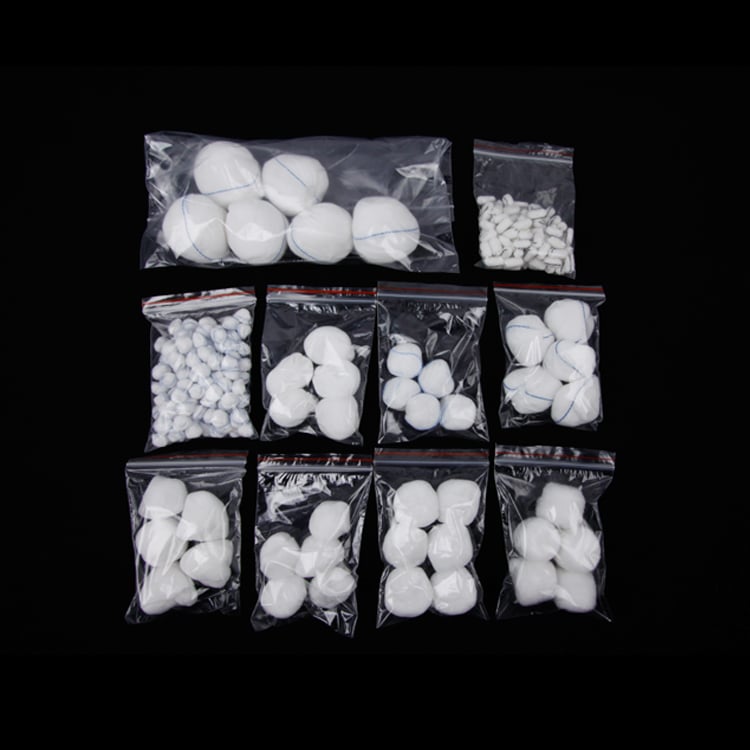
Cost Factors When Selecting Gauze and Cotton Medical Supplies
Cost is a key consideration when selecting gauze and cotton medical supplies. Several factors influence pricing, including
Material Quality: Higher-quality materials or specialized treatments can increase costs. For instance, sterile gauze tends to be more expensive than non-sterile options
Customization: Custom sizes, packaging, or specific product features (like hypoallergenic properties) may lead to higher prices but can be essential for meeting specific application needs
Order Volume: Bulk orders often result in lower unit costs. Buyers should consider their expected usage to determine the most cost-effective purchasing strategy
Supplier Reputation: Established suppliers with a proven track record in quality may command higher prices, but they also offer greater reliability in terms of product performance and compliance with medical standards
Understanding these cost factors allows buyers to assess their options comprehensively and negotiate better terms with suppliers
Installation Guidance for Gauze and Cotton Medical Supplies
While gauze and cotton medical supplies are generally straightforward to use, proper installation and application techniques can enhance their effectiveness. For gauze, ensuring the right size and type for the wound is crucial. It should be applied in a way that allows for adequate absorption without excessive layering, which can impede healing
For cotton products, such as pads, they should be placed gently over the wound or area of treatment. It's important to avoid applying too much pressure, especially on sensitive skin, to prevent irritation
Buyers should also consider the following
Training for Staff: Ensure that medical staff is trained in using these materials correctly to maximize their effectiveness
Quality Control: Inspect products upon receipt to ensure they meet specified requirements and are free from defects before use
Sample Testing: Request samples to evaluate the materials in practical applications, confirming their suitability for intended uses before placing bulk orders
By following these guidelines, healthcare facilities can ensure that they are using gauze roll and cotton medical supplies effectively, contributing to better patient outcomes and operational efficiency