
 EN
EN
 AR
AR
 FR
FR
 PT
PT
 RU
RU
 ES
ES
 BG
BG
 HR
HR
 DA
DA
 NL
NL
 FI
FI
 DE
DE
 EL
EL
 IT
IT
 JA
JA
 KO
KO
 NO
NO
 PL
PL
 RO
RO
 SV
SV
 TL
TL
 ID
ID
 LV
LV
 UK
UK
 VI
VI
 SQ
SQ
 TH
TH
 TR
TR
 AF
AF
 MS
MS
 CY
CY
 IS
IS
 HY
HY
 AZ
AZ
 KA
KA
 MN
MN
 MY
MY
 KK
KK
 UZ
UZ
 SR
SR
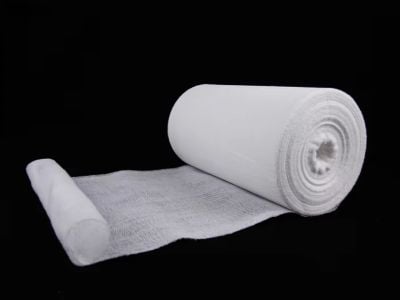
Cotton gauze dressings are essential medical supplies used for treating minor burns and abrasions. These dressings provide a protective barrier, promote healing, and ensure that wounds remain clean. For purchasing managers, distributors, and healthcare professionals, understanding the specifications, sourcing options, and quality evaluation of cotton gauze roll dressings is crucial. This article will guide you through the important aspects of cotton gauze dressings, including specifications, supplier evaluation, quality assessment, cost considerations, and effective usage.
Understanding Cotton Gauze Dressing Specifications for Minor Burns
When selecting cotton gauze dressings for minor burns and abrasions, several specifications must be considered to ensure optimal performance. Key specifications include:
Material Composition: Cotton gauze is typically made from 100% cotton, which allows for high absorbency and breathability. This structure is critical for minor burn treatment, as it maintains moisture while preventing bacteria from entering the wound.
Gauze Weight and Thickness: The weight of the gauze, often measured in grams per square meter (GSM), can affect its absorbency and durability. A heavier gauze roller bandage may be more suitable for larger wounds, while lighter options can be used for smaller abrasions.
Dimensions: Common sizes for cotton gauze dressings include various square or rectangular formats, designed to cover wounds of different sizes. Selecting the appropriate dimensions is crucial to ensure complete coverage without excess material that may irritate the surrounding skin.
Sterility: Most cotton gauze dressings for medical use are sterilized to prevent infection. Buyers should confirm the sterilization process, which typically involves ethylene oxide gas or gamma radiation, as this impacts the dressing's safety for direct application.
Understanding these specifications allows buyers to make informed decisions about which cotton gauze dressings to procure for specific clinical applications.
Sourcing from Reliable Suppliers
Sourcing cotton gauze dressings from reliable suppliers is essential for ensuring product quality and consistency. When evaluating potential suppliers, consider the following factors:
Manufacturing Experience: Look for suppliers with a proven track record in manufacturing medical products. Companies like Taizhou Wanghong Hygienic Material Factory, with over 10 years of experience, often demonstrate a commitment to quality and reliability.
Certifications: Verify that suppliers hold relevant certifications, such as ISO 13485 for medical devices, which indicates adherence to international quality management standards. This can offer assurance of the supplier's manufacturing processes and product safety.
Production Capabilities: Assess the supplier's production capacity and the technology used in their manufacturing processes. Advanced machinery can lead to higher consistency and quality control in the final products.
Export Markets: Suppliers with experience in international markets are likely to have a better understanding of compliance with different regulations and standards, minimizing risks associated with global sourcing.
Conducting thorough research on potential suppliers enables buyers to establish reliable partnerships and secure high-quality cotton gauze absorbent dressings.
How to Evaluate the Quality of Cotton Gauze Dressings for Treatment?
Evaluating the quality of cotton gauze dressings is a critical step before making a purchase. Here are key criteria to consider:
Absorbency Testing: Conduct absorbency tests to determine how much fluid the dressing can hold. High-quality cotton gauze should effectively manage exudate without leaking, which is vital for maintaining a clean wound environment.
Tensile Strength: Assess the tensile strength of the gauze. A strong dressing will resist tearing during application and wear, ensuring it stays in place and provides continuous protection.
Comfort and Breathability: Ensure that the gauze dressing is soft and comfortable against the skin. Breathability is important to facilitate healing by allowing moisture to escape while preventing pathogens from entering.
Visual Inspection: Perform a visual inspection of the dressing for any irregularities, such as fraying edges or discoloration. These can be indicators of poor manufacturing practices and may compromise the dressing's effectiveness.
By prioritizing these quality evaluation criteria, buyers can select cotton gauze dressings that enhance patient outcomes.
Cost Factors to Consider When Purchasing Cotton Gauze Dressings
Understanding the cost factors associated with cotton gauze dressings is essential for budget management. Key elements influencing pricing include:
Material Costs: The type of cotton and the manufacturing process can significantly impact the price. Higher-quality cotton may lead to increased costs, but it can also improve absorbency and strength.
Order Quantity: Many suppliers have minimum order quantities (MOQ) that can affect pricing. Bulk orders may offer cost savings, but buyers should balance this with their actual needs to avoid overstocking.
Customization Options: If specific sizes or packaging configurations are required, customization may incur additional costs. Discussing these needs upfront with the supplier can prevent unexpected expenses.
Shipping and Handling: Factor in shipping costs, which can vary based on the supplier's location and the delivery destination. Timely delivery is also crucial, so ensure that lead times are acceptable for your needs.
By being aware of these cost factors, buyers can negotiate better terms and make more informed purchasing decisions.
Installation Guidance for Effective Use of Cotton Gauze Dressings
Proper application of cotton gauze dressings is vital for effective treatment of minor burns and abrasions. Here are some guidelines to ensure successful usage:
Wound Preparation: Before applying the dressing, clean the wound thoroughly using sterile saline or an appropriate antiseptic solution. This step is critical to prevent infection and promote healing.
Applying the Dressing: Gently place the cotton gauze dressing over the wound, ensuring complete coverage. Avoid excessive pressure, which can cause discomfort and impede blood circulation.
Securing the Dressing: Use adhesive tape or a secondary dressing to secure the cotton gauze in place. Ensure that it is snug but not tight, allowing for adequate airflow to the wound.
Monitoring and Changing Dressings: Regularly check the dressing for signs of saturation or infection, such as increased redness or discharge. Change the dressing as needed, typically every 1-3 days, depending on the wound's condition and the supplier's instructions.
Following these installation guidelines will maximize the effectiveness of cotton gauze dressings in treating minor burns and abrasions, ensuring optimal patient care.