
 EN
EN
 AR
AR
 FR
FR
 PT
PT
 RU
RU
 ES
ES
 BG
BG
 HR
HR
 DA
DA
 NL
NL
 FI
FI
 DE
DE
 EL
EL
 IT
IT
 JA
JA
 KO
KO
 NO
NO
 PL
PL
 RO
RO
 SV
SV
 TL
TL
 ID
ID
 LV
LV
 UK
UK
 VI
VI
 SQ
SQ
 TH
TH
 TR
TR
 AF
AF
 MS
MS
 CY
CY
 IS
IS
 HY
HY
 AZ
AZ
 KA
KA
 MN
MN
 MY
MY
 KK
KK
 UZ
UZ
 SR
SR
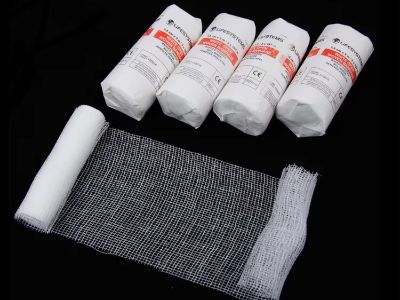
Gauze bandages are essential products in medical settings, serving as a primary wound dressing option for various types of injuries. This complete guide to gauze bandage for wound dressing will address critical specifications, sourcing considerations, and practical applications, providing purchasing managers and healthcare professionals with valuable insights to ensure they make informed decisions. By understanding the key aspects of gauze bandages, buyers can better assess quality, application suitability, and supplier reliability ultimately enhancing patient care and operational efficiency.
Key Specifications to Consider When Sourcing Gauze Bandages
When sourcing gauze bandages, buyers should consider several key specifications that directly impact performance and application. These include:
Material Composition: Most gauze bandages are made from cotton, which offers excellent absorbency, breath ability, and comfort. However, variations may include blends with synthetic materials to enhance durability or reduce linting.
Gauze Type and Weave: Gauze can be classified into various types based on its weave plain weave, crinkle weave, or knitted. Plain weave provides a standard thickness, while crinkle weave allows for greater flexibility, making it suitable for areas requiring movement.
Dimensions: Gauze bandages come in different sizes, typically ranging from 2 inches to 8 inches in width. The choice depends on the intended application; larger sizes are preferable for larger wounds, while smaller sizes are ideal for minor injuries.
Absorbency Levels: It's crucial to evaluate the absorbency of gauze bandage, particularly for wounds with exudate. Higher absorbency ensures effective moisture management, promoting healing while minimizing the risk of infection.
Sterility: Depending on the application, gauze bandages may need to be sterile. Buyers should confirm whether products are packaged as sterile for surgical or open wound applications.
Understanding these specifications enables buyers to select gauze bandages that align with their operational needs and patient care requirements.
What to Look for in Gauze Bandages?
When evaluating gauze bandages, several factors should guide your decision-making process:
Quality Control: Ensure that the manufacturer has robust quality control processes in place. This includes regular testing of materials, production processes, and finished products. Certifications like ISO standards can indicate a commitment to quality.
Customization Options: Depending on specific use cases, some buyers may need custom-sized gauze bandages or specific packaging solutions. Discussing customization capabilities with potential suppliers can provide tailored solutions that meet unique requirements.
Packaging Method: The packaging of gauze bandage tape affects shelf life and usability. Individual sterile packaging is essential for surgical applications, while bulk packaging may suffice for general use. Buyers should assess their needs and storage capabilities when selecting packaging types.
Lead Time and Minimum Order Quantity (MOQ): Understanding the supplier's lead time and MOQ is critical for inventory management. Suppliers with flexible ordering options can better accommodate varying demand levels without compromising service.
Supplier Reliability: Research potential suppliers to gauge their reputation in the industry. Look for reviews, case studies, or testimonials that illustrate their reliability and customer service track record.
By focusing on these factors, buyers can select high-quality gauze bandages that meet their specific needs while ensuring supply chain reliability.
Where to Find Reliable Suppliers for Gauze Bandages?
Finding trustworthy suppliers for gauze bandages involves several strategies:
Industry Trade Shows and Expos: Attending medical supply exhibitions and trade shows can provide direct access to manufacturers and suppliers. This face-to-face interaction allows for discussions about product specifications, pricing, and available services.
Online Marketplaces and B2B Platforms: Websites like Alibaba or ThomasNet can connect buyers with numerous suppliers. Filtering results by ratings, reviews, and certifications can help identify reputable manufacturers.
Industry Associations: Joining industry associations or networks can facilitate connections to established suppliers. These organizations often provide resources, directories, and member recommendations.
Referrals and Recommendations: Engaging with colleagues or other healthcare professionals can yield trustworthy referrals. Personal experiences can offer insights into supplier reliability and product quality.
Direct Manufacturer Outreach: Contacting manufacturers like Taizhou Wanghong Hygienic Material Factory directly allows for discussions on capabilities, certifications, and customization options.
By employing these strategies, buyers can identify reliable suppliers and ensure they receive high-quality gauze bandages that meet their operational needs.
Installation Guidance for Effective Use of Gauze Bandages
Proper application of gauze bandages is crucial for effective wound management. Here are some installation guidelines:
Clean the Wound: Before applying a gauze bandage, ensure that the wound is thoroughly cleaned to reduce the risk of infection. Use saline or antiseptic solutions as recommended by healthcare professionals.
Select the Right Size: Choose a gauze bandage that adequately covers the wound without excessive overhang. This ensures that the bandage remains secure while minimizing unnecessary waste.
Apply with Care: Place the gauze directly over the wound without applying excessive pressure. If necessary, use additional adhesive tape or a secondary dressing to secure the gauze in place, ensuring it does not shift during movement.
Monitor and Change Regularly: gauze bandage roll should be monitored for signs of saturation, infection, or deterioration. Change the dressing according to medical advice or when the bandage becomes wet or soiled.
Educate Patients: If applicable, provide guidance to patients on how to care for their wounds and when to seek medical attention. Empowering patients with knowledge can significantly enhance healing outcomes.
Following these guidelines ensures that gauze bandages are used effectively, promoting optimal healing while minimizing complications.
Applications of Gauze Bandages in Medical Settings and Beyond
Gauze bandages serve a wide array of applications in both medical settings and other industries. Here are some notable uses:
Wound Dressing: The primary application of gauze bandages is as a wound dressing for cuts, abrasions, and surgical incisions. Their absorbency and breath ability support healing while protecting the wound from contaminants.
Burn Treatment: Gauze bandages can be used for burn care, offering a protective barrier while allowing for air circulation. Specialized burn dressings may combine gauze with moisture-retentive gels for enhanced healing.
Post-Surgical Care: After surgical procedures, gauze bandages provide necessary coverage for incisions, promoting healing while minimizing the risk of infection.
Sports Medicine: In sports and rehabilitation settings, gauze bandages are often employed to support sprains or strains, providing compression and protection during recovery.
Emergency Response: Gauze bandages are vital components of first aid kits, allowing for immediate care in emergency situations. They can be used to control bleeding or provide temporary wound coverage until professional medical help is available.
Veterinary Applications: Beyond human medicine, gauze bandages are also utilized in veterinary practices for wound care in animals, showcasing their versatility across various applications.
By understanding these applications, buyers can better appreciate the value of gauze bandages and their role in effective wound management across different contexts. This comprehensive guide to gauze bandages for wound dressing equips purchasing managers and healthcare professionals with essential information to make informed decisions. Each section addresses critical aspects of gauze bandages, from key specifications and supplier sourcing to effective application and diverse uses. By leveraging this knowledge, buyers can enhance their procurement strategies and support optimal patient care.